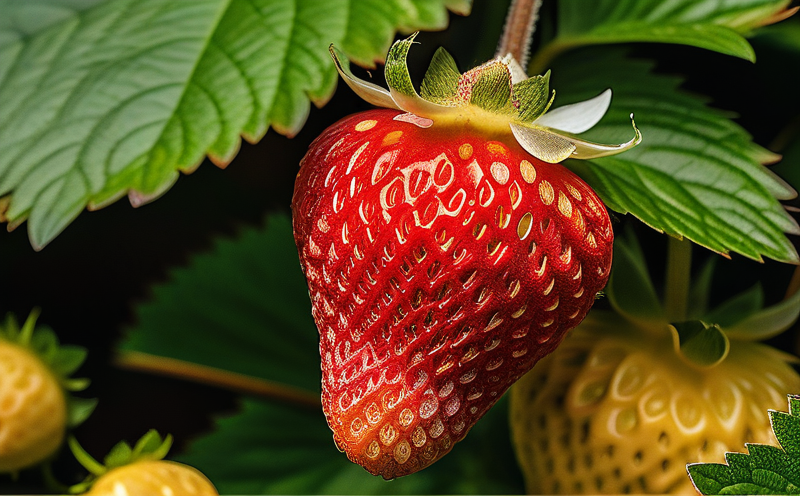
🍎 Strawberry
Fragaria × ananassa
fruits
perennial groundcover
☀️ Sun
full sun
💧 Water
consistently moist, not waterlogged
🗺️ Zones
3, 10
🧪 Soil pH
5.5, 6.5 (slightly acidic)
🪴 Soil Type
well-drained sandy loam, rich in organic matter
📏 Spacing
12-18 in. apart, 36-48 in. between rows (matted row); 12 in. for hill system
⏱️ Maturity
4-6 weeks after flowering (from established plants); June-bearing: 60-90 days from bloom to harvest
🍴 Edible Parts
🍽️ Fruit
Key:🤝 Grows well together❌ Keep apart☀️ Sun needs💧 Water🗺️ Hardiness zone
🤝 Companions (15)
Both are acid-loving perennial fruits; strawberries make excellent ground cover under blueberries.
Repels tomato hornworm and cabbage worms; attracts pollinators; said to improve strawberry flavor and vigor
Buckwheat attracts pollinators for strawberries; quick cover crop between strawberry rows.
Fix nitrogen into soil; repel beetles; provide light dappled shade in hot climates
Attracts parasitic wasps that prey on strawberry pests like leafrollers
Fava beans fix nitrogen for strawberries; tall beans provide wind protection.
Lettuce acts as living mulch for strawberries, keeping berries clean and soil moist.
Fixes nitrogen; attracts pollinators; tall flower spikes don't shade out strawberries
Roots exude alpha-terthienyl, suppressing nematodes; repels aphids and whiteflies
Onions protect strawberries from slugs and fungal diseases; allium companion.
🤝 Onions / Garlic / Chives
Repel aphids, mites, and slugs; antifungal properties protect against gray mold (Botrytis)
Repels slugs and cabbage moths; aromatic oils may deter fungal pathogens
Spinach acts as living mulch between strawberry plants; saponins in spinach may deter pests.
Deters worms and caterpillars; acts as a living mulch; attracts hoverflies
⚠️ Keep Apart (18)
Strawberries and arugula compete for root space and nutrients; strawberries may inhibit arugula growth through root competition.
Bok Choy (a brassica) and strawberries mutually inhibit each other's growth via allelopathic root exudates; strawberries are also susceptible to verticillium wilt hosted by brassicas.
⚠️ Brassicas (cabbage, broccoli, cauliflower)
Compete heavily for nutrients; stunted growth in both; brassicas prefer alkaline soil vs strawberry's acidic needs
Strawberries and broccoli compete for root space and nutrients; strawberries may inhibit broccoli growth through root competition.
Strawberries and brussels sprouts compete for root space and nutrients; strawberries may inhibit brussels sprouts growth through root competition.
Strawberries and cabbage compete for root space and nutrients; strawberries may inhibit cabbage growth through root competition.
Strawberries and cauliflower compete for root space and nutrients; strawberries may inhibit cauliflower growth through root competition.
Collard Greens (a brassica) and strawberries mutually inhibit each other's growth via allelopathic root exudates; strawberries are also susceptible to verticillium wilt hosted by brassicas.
Strawberries and endive compete for root space and nutrients; strawberries may inhibit endive growth through root competition.
Allelopathic , secretes growth-inhibiting compounds that stunt strawberries
Strawberries and kale compete for root space and nutrients; strawberries may inhibit kale growth through root competition.
Kohlrabi (a brassica) and strawberries mutually inhibit each other's growth via allelopathic root exudates; strawberries are also susceptible to verticillium wilt hosted by brassicas.
Invasive runner spreads aggressively, choking strawberry crowns; use only in containers nearby
Mustard Greens (a brassica) and strawberries mutually inhibit each other's growth via allelopathic root exudates; strawberries are also susceptible to verticillium wilt hosted by brassicas.
Verticillium wilt host; competes for calcium and magnesium
Raspberry (a brassica) and strawberries mutually inhibit each other's growth via allelopathic root exudates; strawberries are also susceptible to verticillium wilt hosted by brassicas.
Rutabaga (a brassica) and strawberries mutually inhibit each other's growth via allelopathic root exudates; strawberries are also susceptible to verticillium wilt hosted by brassicas.
All nightshades share verticillium wilt susceptibility; can transmit fungal diseases to strawberries
🛒 Buy Seeds & Plants
Baker Creek Heirloom Seeds
Johnny's Selected Seeds
Botanical Interests
True Leaf Market
Burpee
Territorial Seed Company
Plot Buddies is reader-supported. When you buy through links on our site, we may earn an affiliate commission at no extra cost to you. This does not affect our plant recommendations. We only link to retailers we trust.