🥬 Spinach
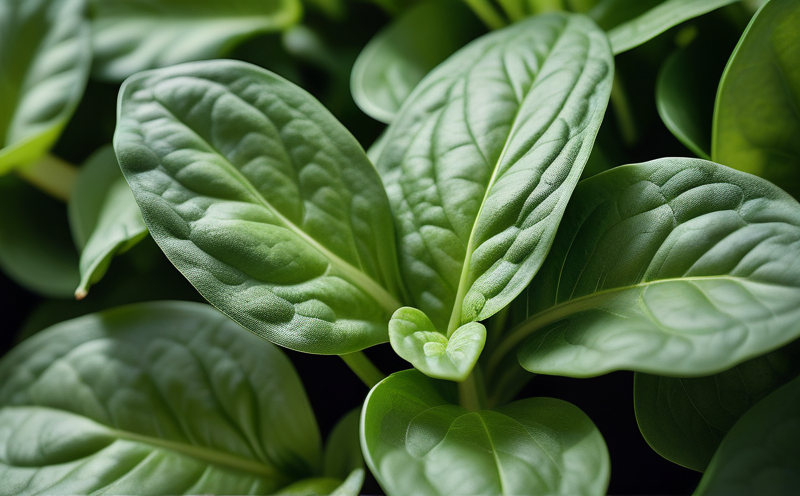
🍴 Edible Parts
🤝 Companions (10)
⚠️ Keep Apart (2)
💊 Medicinal Uses
Medicinal Properties
- Exceptionally high in iron (though oxalates reduce absorption , eat with vitamin C to improve uptake)
- Very high in vitamin K, vitamin A, folate, and manganese
- Contains lutein and zeaxanthin for eye health; nitrates that may improve athletic performance
- Contains glycoglycerolipids , may protect intestinal lining from inflammation
- Traditional 'strength-giving' food; Popeye's association had some nutritional basis!
📝 Growing Notes
Spinach is THE most cold-hardy leafy green , can survive temperatures down to 15, 20°F. Bolts quickly in heat and long days (it's day-length sensitive). Three types: Savoy (crinkled, most cold-hardy), Semi-savoy (partially crinkled, easier to clean), Flat/smooth leaf (easiest to clean, preferred for processing). Plant in very early spring or late summer for fall harvest. Spinach is notoriously difficult to grow in warm climates , use heat-tolerant substitutes like Malabar spinach (Basella alba, not true spinach) or New Zealand spinach (Tetragonia).
🛒 Buy Seeds & Plants
Plot Buddies is reader-supported. When you buy through links on our site, we may earn an affiliate commission at no extra cost to you. This does not affect our plant recommendations. We only link to retailers we trust.