🌿 Fenugreek
Trigonella foenum-graecum
herbs
annual legume herb
Fabaceae
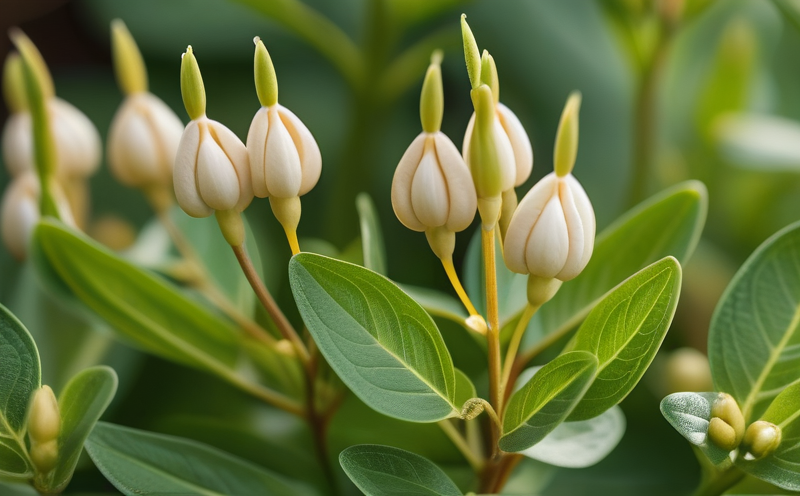
☀️ Sun
full sun
💧 Water
moderate (consistent moisture during germination and early growth, drought-tolerant when established)
🗺️ Zones
5, 11 (annual, requires warm soil , at least 55°F/13°C)
🧪 Soil pH
6.0, 7.0
🪴 Soil Type
well-drained, moderately fertile loam; tolerates poor soil
🚿 Drainage
well-drained
📏 Spacing
4, 6 inches
📐 Height
12, 24 inches
⏱️ Maturity
30, 40 days (leaves), 90, 120 days (seeds)
Key:🤝 Grows well together❌ Keep apart☀️ Sun needs💧 Water🗺️ Hardiness zone
🤝 Companions (6)
Attracts beneficial insects and pollinators
Attracts beneficial insects and pollinators
Attracts beneficial insects and pollinators
Attracts beneficial insects and pollinators
Attracts beneficial insects and pollinators
Attracts beneficial insects and pollinators
⚠️ Keep Apart (3)
Both are nitrogen-fixing legumes that compete for the same rhizobium strains and soil resources; allelopathic effects between them.
Different growing seasons (fenugreek needs warmth, many beans are cool-season); fenugreek may inhibit bean nodulation through allelopathy.
Both are warm-season legumes competing for the same soil nutrients and space; fenugreek may harbor peanut root pests.
📝 Growing Notes
Dual-purpose plant: nitrogen-fixing legume AND culinary/medicinal herb. Seeds smell strongly of maple syrup (used to create artificial maple flavoring). Body odor takes on maple scent after eating fenugreek. Warm-season crop , needs soil at least 55°F to germinate. Fast growing , can get leaf harvests in 30 days. Seeds are hard; soak overnight before cooking. Excellent green manure and soil builder. Attracts beneficial insects but is self-pollinating. Mild allelopathic properties suppress some weeds.
🛒 Buy Seeds & Plants
Baker Creek Heirloom Seeds
Johnny's Selected Seeds
Botanical Interests
True Leaf Market
Burpee
Territorial Seed Company
Plot Buddies is reader-supported. When you buy through links on our site, we may earn an affiliate commission at no extra cost to you. This does not affect our plant recommendations. We only link to retailers we trust.