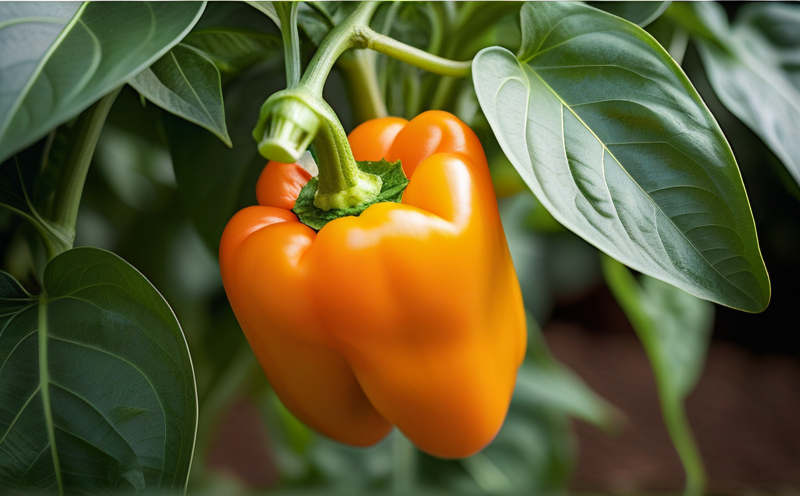
🌶️ Bell Pepper
Capsicum annuum
vegetables
fruit (culinary vegetable)
☀️ Sun
Full sun (6, 8+ hours daily); can tolerate partial shade in very hot climates (Zone 9+)
💧 Water
Medium; 1, 2 inches per week; consistent moisture prevents blossom end rot; reduce watering slightly when fruiting for hotter peppers
🗺️ Zones
4, 5, 6, 7, 8, 9, 10, 11
🧪 Soil pH
6.0, 6.8 (slightly acidic to neutral)
🪴 Soil Type
Rich, well-drained sandy loam with plenty of compost; high organic matter
🚿 Drainage
Well-drained essential; peppers are highly susceptible to root rot in wet soil; raised beds recommended in clay soils
📏 Spacing
18, 24 inches apart; rows 24, 36 inches apart; wider spacing for larger varieties
⏱️ Maturity
60-90 days (from transplant); 120-150 days from seed
🍴 Edible Parts
🍽️ Fruit (whole pepper)
Key:🤝 Grows well together❌ Keep apart☀️ Sun needs💧 Water🗺️ Hardiness zone
🤝 Companions (7)
Repels aphids, spider mites, mosquitoes, and whiteflies; some say it improves pepper flavor
Carrots loosen soil for pepper roots; peppers provide light shade; minimal competition for nutrients
Repels aphids and Japanese beetles; antifungal properties may reduce disease pressure
Repels nematodes, aphids, and whiteflies; bright flowers attract pollinators and beneficial wasps
Trap crop for aphids; repels whiteflies and squash bugs; edible flowers attract pollinators IMPORTANT management caveat: without active management, nasturtiums can become a SOURCE of aphids that migrate to nearby crops. Either remove aphid-infested nasturtium plants promptly, or treat the trap crop itself to eliminate the aphid colony before it spreads. Strategic placement within 4-5 feet of protected crops is key.
Strong aromatic oils repel aphids and spider mites; low-growing ground cover shades soil and suppresses weeds
Similar growing conditions (warm, sunny, well-drained); but rotate carefully as both are Solanaceae sharing some diseases
⚠️ Keep Apart (3)
⚠️ Apricot
Peppers may host a fungus (Verticillium or Phytophthora) that causes apricot tree dieback , avoid planting peppers near apricot trees
⚠️ Brassicas (cabbage, broccoli, kale)
Allelopathic relationship , brassicas may stunt pepper growth; competing root exudates
Allelopathic , strongly inhibits growth of peppers and most garden plants
💊 Medicinal Uses
Medicinal Properties
- Extremely high in vitamin C (2, 3x citrus by weight); one bell pepper provides >100% daily vitamin C
- Rich in vitamin A (beta-carotene), B6, and folate
- Capsaicin (in hot peppers only, not bell): topical analgesic, anti-inflammatory, metabolism booster
📝 Growing Notes
Bell peppers are the same species as jalapeños and many other peppers , just selected for no heat. They thrive in warm soil (65°F+). Blossom end rot is a calcium deficiency often caused by inconsistent watering. Peppers and tomatoes share the same disease family (Solanaceae), so rotate them together in 3, 4 year cycles.
🛒 Buy Seeds & Plants
Baker Creek Heirloom Seeds
Johnny's Selected Seeds
Botanical Interests
True Leaf Market
Burpee
Territorial Seed Company
Plot Buddies is reader-supported. When you buy through links on our site, we may earn an affiliate commission at no extra cost to you. This does not affect our plant recommendations. We only link to retailers we trust.