🥕 Peanut

Arachis hypogaea
vegetables annual
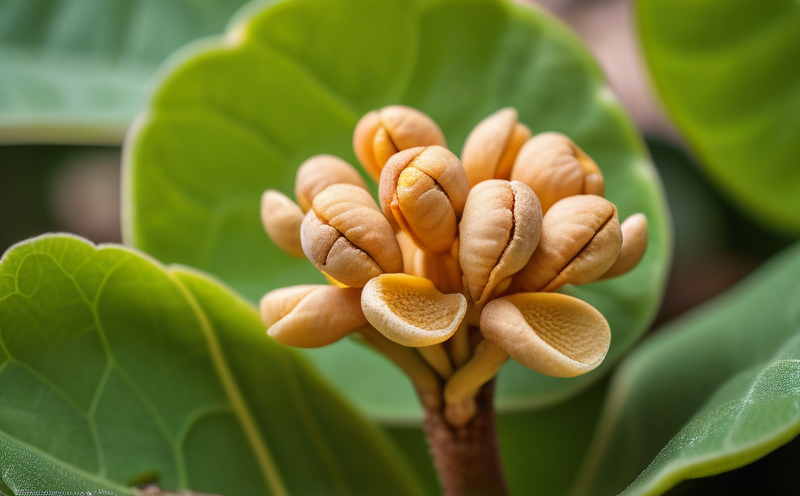
Illustration of Peanut
☀️ Sun
full sun
💧 Water
moderate (1-1.5 inches/week); critical during pegging and pod fill
🗺️ Zones
2-11 (grown as warm-season annual)
🪴 Soil Type
sandy, loamy sand
🧪 Soil pH
5.8-6.5
💧 Drainage
well-drained, loose
📏 Spacing
6-8 inches, rows 24-36 inches
📐 Height
12-18 inches
📅 Days to Maturity
110-150 days

🍴 Edible Parts

🍽️ seeds (kernels)🍽️ young pods (boiled peanuts)🍽️ leaves (young🍽️ cooked)🍽️ oil

🤝 Companions (5)

🤝 Corn
Peanuts fix nitrogen to feed corn; peanut's low growth doesn't compete for light with tall corn
Peanuts and potatoes occupy different soil depths; peanuts fix nitrogen while potatoes utilize deeper nutrients
🤝 Squash
Peanuts fix nitrogen for heavy-feeding squash; peanut plants are finished before squash vines fully spread
Peanuts fix nitrogen to feed okra; their low growth and different root depths mean minimal competition
🤝 Cowpea
Both are nitrogen-fixing legumes; they can share space with complementary growth habits and improve soil together

⚠️ Keep Apart (3)

Allium root exudates can inhibit peanut growth and suppress nitrogen-fixing Rhizobium bacteria
Garlic sulfur compounds are antagonistic to peanut growth and nitrogen fixation
Fennel is allelopathic to most plants; peanuts are sensitive to its root exudates

💊 Medicinal Uses

Peanuts are nutrient-dense, providing high-quality plant protein (25-30% by weight), healthy monounsaturated fats, and a broad spectrum of micronutrients including niacin, folate, vitamin E, magnesium, and manganese. They are exceptionally rich in resveratrol (also found in red wine), a polyphenol with potent antioxidant, anti-inflammatory, cardioprotective, and anti-cancer properties. Peanuts contain arginine, which supports nitric oxide production for cardiovascular health. Regular peanut consumption is associated with reduced risk of cardiovascular disease, type 2 diabetes, and gallstones in large epidemiological studies. Peanut skins (the papery red seed coat) are particularly rich in phenolic antioxidants. Peanut allergies affect 1-2% of the population and can be life-threatening. In traditional medicine, peanut oil has been used topically for dry skin and massage.

📜 History & Traditional Uses

Peanuts originated in South America (likely Bolivia/Paraguay region) and were domesticated over 7,600 years ago. Pre-Columbian cultures including the Inca used them as food and offerings — peanut-shaped gold jewelry and pottery vessels have been found in ancient Peruvian tombs. Portuguese traders brought peanuts from Brazil to Africa in the 16th century, where they became deeply integrated into West African cuisine (groundnut stew, maafe). Enslaved Africans brought peanuts back across the Atlantic to the American South, where they became a staple crop. George Washington Carver, the pioneering African-American agricultural scientist at Tuskegee Institute, developed over 300 uses for peanuts in the early 1900s, revolutionizing southern agriculture as an alternative to cotton. Peanuts became an American staple through peanut butter (popularized at the 1904 St. Louis World's Fair), baseball snacks, and military rations. Today, peanuts are the world's most widely grown legume for oil and food.

📝 Notes

Peanuts are botanically unique — after pollination, the flower stalk (peg) elongates and pushes the developing ovary underground where the pod matures (geocarpy), making them a 'groundnut' rather than a true nut. They require loose, sandy soil for pegs to penetrate and pods to develop. Peanuts are a warm-season crop requiring 110-150 frost-free days and soil temperatures above 65°F. They are legumes and fix their own nitrogen through Rhizobium symbiosis — specific peanut inoculant is recommended. There are four main market types: Virginia (large, for roasting), Runner (uniform, for peanut butter), Spanish (small, high oil, for candy), and Valencia (sweet, 3-5 seeds/pod, for boiling). Harvest when leaves yellow — lift entire plants and cure for several weeks before shelling.