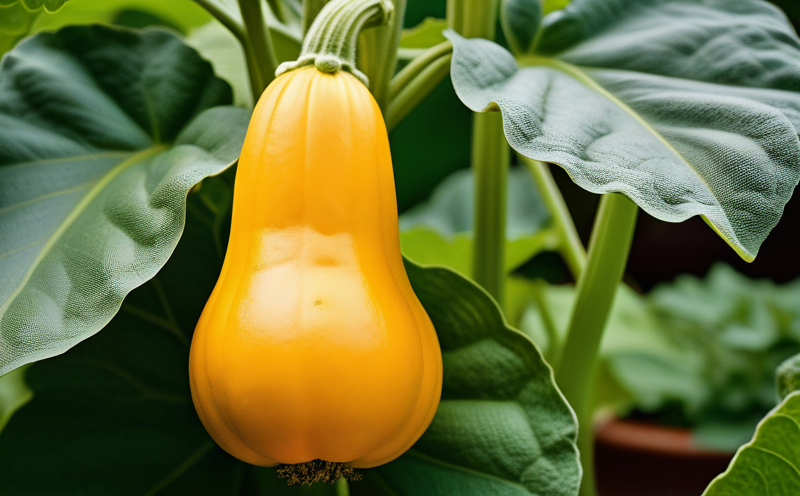
🥦 Summer Squash
Cucurbita pepo
vegetables
fruit (culinary vegetable)
☀️ Sun
Full sun (6, 8+ hours)
💧 Water
High; 1, 2 inches per week; consistent moisture prevents blossom end rot
🗺️ Zones
3, 4, 5, 6, 7, 8, 9, 10
🧪 Soil pH
6.0, 7.5
🪴 Soil Type
Rich, compost-heavy loam; squash thrive in old compost heaps
🚿 Drainage
Well-drained but moisture retentive; plant in hills/mounds
📏 Spacing
24, 36 inches apart; rows 48, 60 inches
⏱️ Maturity
45-60 days (from seed); harvest young at 4-8 inches for best quality
🍴 Edible Parts
🍽️ Young fruit (whole)
🍽️ Flowers (stuffed/fried)
🍽️ Seeds (roasted)
Key:🤝 Grows well together❌ Keep apart☀️ Sun needs💧 Water🗺️ Hardiness zone
🤝 Companions (7)
Beans fix nitrogen that squash needs; squash's prickly stems deter bean pests and animals
Attracts bees for pollination; improves flavor; adds trace minerals
Three Sisters guild companion , squash shades soil suppressing weeds; corn provides wind protection
Attracts parasitic wasps that target squash pests
Nematode suppression; repels squash bugs and cucumber beetles
Strong trap crop for aphids and squash bugs; repels cucumber beetles IMPORTANT management caveat: without active management, nasturtiums can become a SOURCE of aphids that migrate to nearby crops. Either remove aphid-infested nasturtium plants promptly, or treat the trap crop itself to eliminate the aphid colony before it spreads. Strategic placement within 4-5 feet of protected crops is key.
Repels squash vine borer; fast-growing intercrop
⚠️ Keep Apart (3)
💊 Medicinal Uses
Medicinal Properties
- High in vitamins A and C
- Low calorie, good source of dietary fiber
- Contains manganese and potassium
📝 Growing Notes
Summer squash is an umbrella term for thin-skinned, immature-harvested squash including zucchini, yellow crookneck, pattypan, and straightneck. All are C. pepo. Harvest when skin is still tender (test with fingernail). Prolific producers. Squash vine borer is the deadliest pest , use row covers early, check stems for frass.
🛒 Buy Seeds & Plants
Baker Creek Heirloom Seeds
Johnny's Selected Seeds
Botanical Interests
True Leaf Market
Burpee
Territorial Seed Company
Plot Buddies is reader-supported. When you buy through links on our site, we may earn an affiliate commission at no extra cost to you. This does not affect our plant recommendations. We only link to retailers we trust.