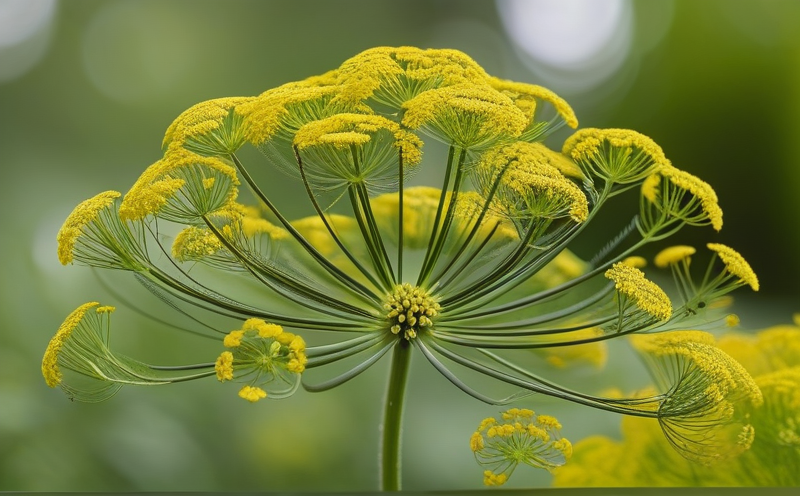
🌿 Dill

Anethum graveolens
herbs Annual herb
Illustration of Dill
☀️ Sun
Full sun; 6-8 hours daily. Shade reduces essential oil.
💧 Water
Consistent moisture; keep soil evenly moist. Drought causes bolting.
🗺️ Zones
Annual everywhere; grows best in USDA zones 2-11
🪴 Soil Type
Rich, well-draining; pH 5.5-6.5. Tolerates poor soil.
🧪 Soil pH
5.5-6.5 (prefers well-drained, slightly acidic soil)
📏 Spacing
10-12 inches apart
📐 Height
24-48 inches (taller varieties to 60 inches)
📅 Days to Maturity
40-60 days for leaves (dill weed); 85-105 days for seeds

🍴 Edible Parts

🍽️ ["Leaves (dill weed)"🍽️ "Seeds"🍽️ "Flowers"]

🤝 Companions (7)

🤝 Cabbage/Brassicas
Classic companion; dill attracts parasitic wasps that prey on cabbage worms. Improves brassica growth and flavor.
🤝 Cucumbers
Dill attracts beneficial insects that prey on cucumber beetles; classic pairing for pickles.
Dill repels some lettuce pests; light shade from dill helps prevent bolting.
🤝 Onions
Dill and onions support each other; combined pest deterrence.
🤝 Corn
Dill attracts beneficial insects that prey on corn earworms.
Both attract beneficial insects; shared growing needs.
Dill attracts beneficial insects including parasitic wasps and hoverflies that protect carrots from pests. However, mature dill going to seed may inhibit nearby carrots. Keep dill young and harvest before flowering.

⚠️ Keep Apart (4)

⚠️ Tomatoes
Mature dill (bolting/going to seed) can inhibit tomato growth through allelopathic compounds. However, young dill is beneficial: it attracts parasitic wasps, hoverflies, and predatory insects that control tomato hornworms and aphids. Keep young dill near tomatoes but remove before it flowers and sets seed.
Cross-pollination ruins both seed crops; fennel's allelopathy affects dill.
Incompatible; mutual growth inhibition.
Dill is closely related to parsnip (both Apiaceae) — cross-pollination risk if both flower, and dill may stunt young carrot growth.

💊 Medicinal Uses

{"conditions_treated": ["Infant colic and gas (the classic 'gripe water' ingredient \u2014 dill water)", "Adult digestive issues (gas, bloating, indigestion, stomach cramps)", "Insomnia (mild sedative \u2014 especially the seeds)", "Hiccups (traditional remedy)", "Bad breath (antimicrobial; chewed seeds)", "Breastfeeding issues (galactagogue \u2014 promotes milk flow)", "Menstrual cramps (antispasmodic)", "Respiratory congestion (mild expectorant)"], "preparation_methods": ["Dill water (gripe water): 1 tsp crushed dill seeds steeped in 1 cup boiling water; strain; give 1-2 tsp to infants for colic (must be properly diluted)", "Dill tea for adults: 1-2 tsp seeds or fresh herb steeped 10 min for digestive relief", "Chewing seeds: Chew 1 tsp dill seeds for bad breath and digestive aid after meals", "Tincture: 1:5 in 40% alcohol; 2-4ml for digestive spasms", "Poultice: Crushed fresh herb applied to swollen breasts (mastitis)", "Infused oil: Dill in olive oil for abdominal massage (colic, gas)"], "active_compounds": ["Carvone", "Limonene", "Apiol", "Flavonoids", "Furanocoumarins"], "toxicity_warnings": "Generally very safe. Dill seed oil is potent \u2014 use diluted. Avoid medicinal doses during pregnancy (apiol can stimulate uterine contractions). Large doses of dill water may be too strong for infants \u2014 stick to traditional dilutions. Photosensitizing in large amounts."}

📜 History & Traditional Uses

{"medieval": "Used in medieval 'dill water' for colic \u2014 one of the most common household remedies. Burned as fumigant. Charms against witchcraft often included dill. 'Dill' from Norse 'dilla' (to lull) \u2014 given to babies to help them sleep.", "ancient": "Ancient Egyptians used dill as a pain reliever (mentioned in Ebers Papyrus, c. 1500 BCE). Greeks and Romans used dill wreaths and burned dill-scented oils. Roman gladiators ate dill before combat for courage.", "folk_medicine": "Universal remedy for infant colic across European traditions. 'Meeting house seed' \u2014 dill seeds chewed during long church sermons to keep children quiet and prevent hunger. Amish and Pennsylvania Dutch communities still use dill water for colic."}