🥦 Kohlrabi
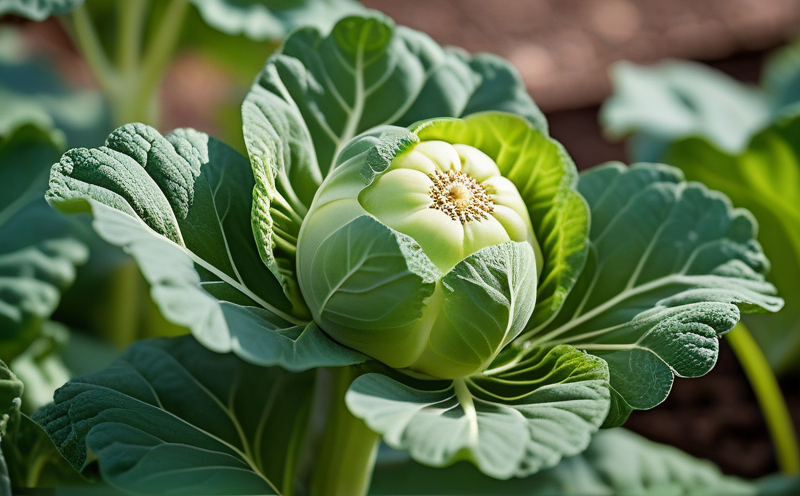
🍴 Edible Parts
🤝 Companions (7)
⚠️ Keep Apart (4)
💊 Medicinal Uses
Medicinal Properties
- Excellent source of vitamin C , one cup provides 100%+ daily value; more vitamin C than oranges by weight
- Contains glucosinolates and isothiocyanates , anti-cancer compounds (same as broccoli/kale)
- Rich in fiber (both soluble and insoluble) , supports digestive health and satiety
- Good source of vitamin B6, potassium, copper, and manganese
- Contains lutein and zeaxanthin for eye health
📝 Growing Notes
Kohlrabi means 'cabbage turnip' in German, but it's a stem vegetable , the 'bulb' is an enlarged stem growing above ground, not a root. Two main types: green/white (most common, milder) and purple (more colorful, slightly spicier , both have white flesh inside). Kohlrabi is one of the fastest brassicas , harvest in 45, 60 days. HARVEST ON TIME , bulbs larger than 3, 4 inches become woody and fibrous. The key to tender kohlrabi: consistent water + harvest at golf-ball to tennis-ball size. Peeling is essential for mature bulbs , the skin is inedibly fibrous. Great for intercropping due to upright growth habit. Cabbage worms love kohlrabi leaves , Bt or row covers. Excellent spring and fall crop; bolts in heat above 80°F. Taste: mild, sweet, like a cross between broccoli stem and apple.
🛒 Buy Seeds & Plants
Plot Buddies is reader-supported. When you buy through links on our site, we may earn an affiliate commission at no extra cost to you. This does not affect our plant recommendations. We only link to retailers we trust.