🥕 Parsnip

Pastinaca sativa
vegetables root vegetable (apiaceae/umbellifer)
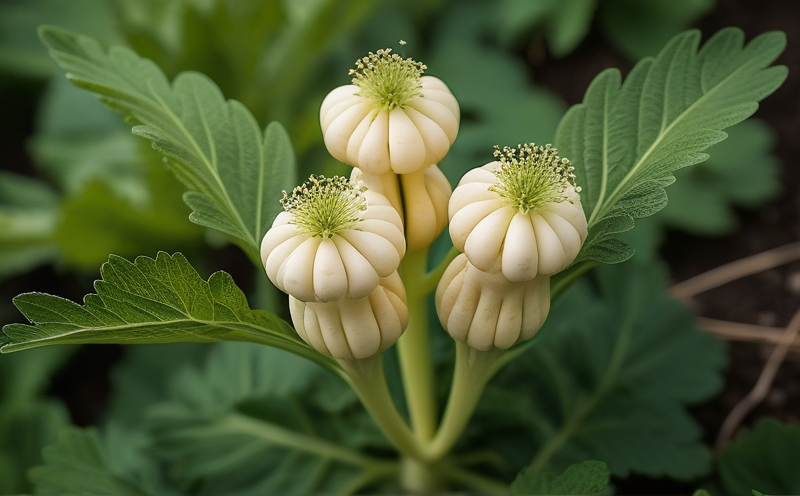
Illustration of Parsnip
☀️ Sun
Full sun (6–8 hours); tolerates light partial shade
💧 Water
Medium; 1 inch per week; deep, infrequent watering encourages deep taproot development; consistent moisture for germination (parsnips are very slow to germinate — keep soil moist for 3 weeks)
🗺️ Zones
3, 4, 5, 6, 7, 8, 9
🪴 Soil Type
Deep (12+ inches), loose, sandy loam absolutely free of stones and clods — rocks cause forked/deformed parsnips; well-rotted organic matter but NO fresh manure (causes forking); parsnips need deep, uncompacted soil for long taproots (can reach 18+ inches)
🧪 Soil pH
6.0–7.0 (slightly acidic to neutral)
💧 Drainage
Well-drained essential; raised beds ideal for parsnip root development
📏 Spacing
Seeds 2 inches apart (expect poor germination), thin to 3–6 inches; rows 12–18 inches; sow thicker than needed — germination rates are notoriously low (50–60%)
📅 Days to Maturity
100-130 days (from seed); harvest after frost for sweetest flavor

🍴 Edible Parts

🍽️ ["Root (taproot \u2014 sweetest after frost; roasted🍽️ mashed🍽️ soups🍽️ chips)"🍽️ "Leaves (caution: parsnip leaves/sap contain furanocoumarins that cause phytophotodermatitis \u2014 severe skin burns in sunlight; handle with gloves on sunny days)"🍽️ "Flowering stems (young flower stalks can be cooked like asparagus)"]

🤝 Companions (6)

🤝 Pea
Peas fix nitrogen to support parsnip's long-season growth; different root depths; peas are harvested before parsnips need full space
Lettuce grows in parsnips' partial shade; shallow roots vs. deep parsnip taproot; short-season crop harvested long before parsnips mature
Radishes mark rows for very slow-germinating parsnips (21–28 days); radishes break surface crust; harvested in 30 days, long before parsnips need space
🤝 Onion/Garlic
Repels carrot rust fly (also attacks parsnips — same Apiaceae family pest); sulfur compounds mask parsnip scent
🤝 Rosemary/Sage
Aromatic oils repel carrot rust fly and other pests; strong scent masks Apiaceae host-finding by pests
Beans fix nitrogen; harvested mid-summer, leaving parsnips to mature into fall; different root zones

⚠️ Keep Apart (4)

Both Apiaceae share carrot rust fly — planting together concentrates pest problems; parsnip webworm attacks both
Same family (Apiaceae) — cross-pollination risk if both flower (biennial parsnips flower year 2); may attract same pests; dill may stunt parsnip growth
Same Apiaceae pest profile — carrot rust fly, celery fly, and aphids concentrate on related plants
Allelopathic — severely inhibits parsnip growth; same family increases pest risk

💊 Medicinal Uses

["Exceptionally high in soluble and insoluble fiber \u2014 a single parsnip provides significant daily fiber needs", "Rich in vitamin C (cold converts starches to sugars, concentrating nutrients), folate, and manganese", "Contains falcarinol \u2014 a polyacetylene compound being studied for anti-cancer and anti-inflammatory properties", "Good source of potassium (blood pressure regulation) and vitamin K", "Traditional diuretic; used in herbal medicine for kidney and bladder health"]

📝 Notes

Parsnips have the longest growing season of any common vegetable (110–130 days). Critical: MUST use fresh seed each year — parsnip seeds lose viability after 1 year (unlike most vegetables). Germination is slow (21–28 days) and erratic — keep soil consistently moist. The radish interplant trick (same as carrots) helps mark rows. Flavor REQUIRES frost — cold converts starches to sugars, making parsnips sweet and nutty. Harvest after several hard frosts for best flavor; can overwinter in ground with heavy mulch in Zone 4+. WARNING: Parsnip foliage contains furanocoumarins — skin contact + sunlight causes severe blistering burns (phytophotodermatitis). Always wear gloves and long sleeves when working around parsnip foliage.