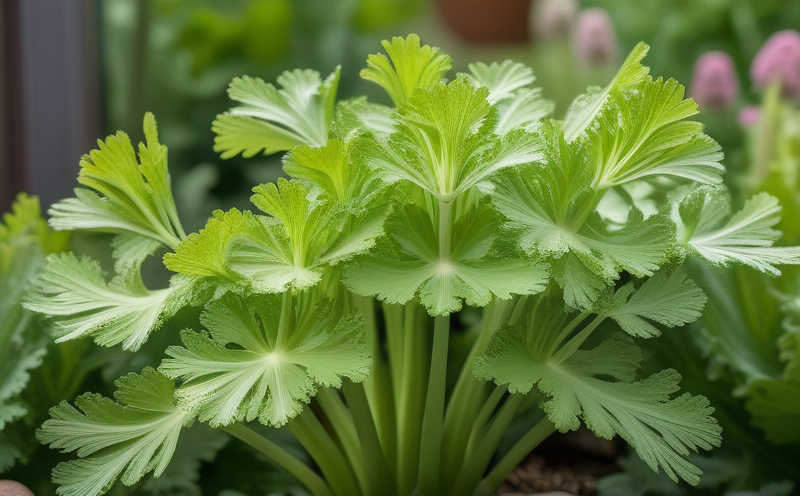
🥦 Celery
Apium graveolens var. dulce
vegetables
stem vegetable
☀️ Sun
Full sun (6 hours); tolerates partial shade, especially in warm climates
💧 Water
Very high; 1.5, 2 inches per week; celery is 95% water , NEVER let soil dry out; consistent moisture prevents tough, stringy, bitter stalks; considered one of the most water-demanding vegetables
🗺️ Zones
4, 5, 6, 7, 8, 9, 10
🧪 Soil pH
6.0, 7.0 (slightly acidic to neutral)
🪴 Soil Type
Very rich, moisture-retentive soil with very high organic matter; celery is a marsh plant in origin and requires exceptional fertility
🚿 Drainage
Moisture-retentive but not waterlogged; consistent moisture is the single most important factor for tender, non-stringy celery
📏 Spacing
10, 12 inches apart in rows 24, 30 inches apart; closer spacing promotes self-blanching
⏱️ Maturity
85-120 days (from transplant); 130-150 days from seed
🍴 Edible Parts
🍽️ Stalks (petioles)
🍽️ Leaves (celery leaf , excellent in stocks, soups, salads; more flavorful than stalks)
🍽️ Seeds (celery seed , spice)
🍽️ Root (celeriac , different variety)
Key:🤝 Grows well together❌ Keep apart☀️ Sun needs💧 Water🗺️ Hardiness zone
🤝 Companions (9)
Celery's strong scent deters cabbage pests from broccoli; both need consistent moisture.
Beans fix nitrogen benefiting celery; celery repels some bean pests
Celery repels cabbage moths; both thrive in rich, moist soil.
Celery deters cabbage pests from cauliflower with aromatic foliage.
Improves celery growth and flavor; antifungal
Mutual pest protection , leeks repel celery pests; celery may deter leek moth; they share similar moisture needs ('dynamic duo' in French intensive gardening)
Trap crop for aphids; repels celery pests IMPORTANT management caveat: without active management, nasturtiums can become a SOURCE of aphids that migrate to nearby crops. Either remove aphid-infested nasturtium plants promptly, or treat the trap crop itself to eliminate the aphid colony before it spreads. Strategic placement within 4-5 feet of protected crops is key.
Celery may repel tomato hornworm and some tomato pests; tomatoes provide light shade
⚠️ Keep Apart (4)
Mutual antagonism reported , both may stunt each other's growth
Allelopathic
Same family (Apiaceae) , shared pests and diseases (celery fly, carrot rust fly)
💊 Medicinal Uses
Medicinal Properties
- Contains apigenin , flavonoid with anti-inflammatory and potential anti-cancer properties
- Traditional use for lowering blood pressure (contains phthalides)
- Celery seed: traditional diuretic, used for gout and arthritis (anti-inflammatory)
- High in vitamin K, vitamin A, and potassium; very low calorie
📝 Growing Notes
Celery is notoriously difficult to grow , it's a heavy feeder with high water demands and a long season (100, 140 days). Originated as a marsh plant; 'trench celery' is traditionally grown in trenches filled with compost for constant moisture. Self-blanching varieties need closer spacing. Celery is day-length sensitive , can bolt if exposed to cold temperatures for extended periods. Start indoors 10, 12 weeks before last frost.
🛒 Buy Seeds & Plants
Baker Creek Heirloom Seeds
Johnny's Selected Seeds
Botanical Interests
True Leaf Market
Burpee
Territorial Seed Company
Plot Buddies is reader-supported. When you buy through links on our site, we may earn an affiliate commission at no extra cost to you. This does not affect our plant recommendations. We only link to retailers we trust.