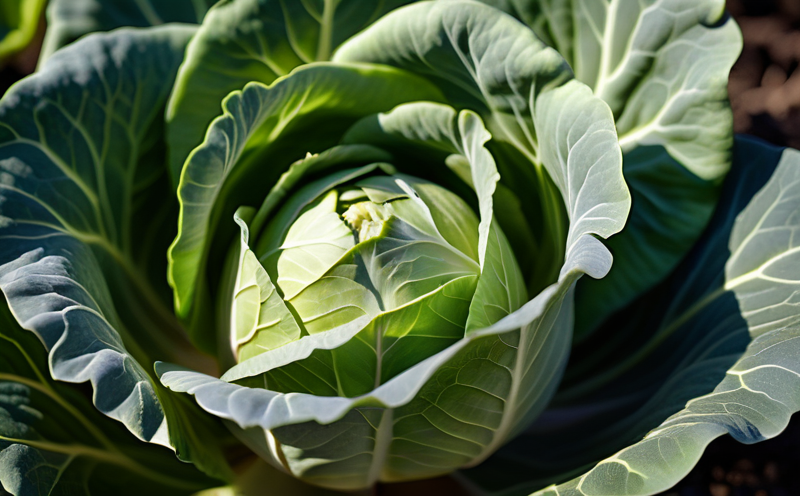
🥦 Cabbage
Brassica oleracea var. capitata
vegetables
brassica (cole crop)
☀️ Sun
Full sun (6, 8 hours); tolerates partial shade
💧 Water
High; 1, 1.5 inches per week; consistent moisture prevents splitting; reduce water slightly as heads mature
🗺️ Zones
2, 3, 4, 5, 6, 7, 8, 9, 10
🧪 Soil pH
6.5, 7.5 (slightly acidic to slightly alkaline); pH above 7.0 helps reduce clubroot
🪴 Soil Type
Rich, well-drained, heavy loam with high organic matter; cabbage is a very heavy feeder
🚿 Drainage
Moisture-retentive but well-drained; benefits from consistent moisture
📏 Spacing
12, 24 inches apart depending on variety; rows 24, 36 inches; larger heads need more space
⏱️ Maturity
60-110 days (from transplant); 70-120 days from seed depending on variety
🍴 Edible Parts
🍽️ Heads (leaves)
🍽️ Outer leaves (cook like collards)
🍽️ Core (edible, often discarded)
Key:🤝 Grows well together❌ Keep apart☀️ Sun needs💧 Water🗺️ Hardiness zone
🤝 Companions (16)
Anise deters cabbage moths and aphids with licorice-scented oils; aromatic brassica companion.
Buckwheat attracts beneficial insects that prey on cabbage pests; quick soil-improving cover crop.
Caraway attracts parasitic wasps that control cabbage worms; improves cabbage growth.
Catnip repels flea beetles and aphids from cabbage; strong aromatic deterrent to pests.
Celery's strong scent repels cabbage white butterfly
Improves flavor; antifungal; attracts beneficial insects
Attracts parasitic wasps that control cabbage worms and loopers; one of the most effective brassica companions
Hyssop deters cabbage moths with its strong minty aroma; attracts pollinators.
Marigolds repel cabbage moths and nematodes; classic protective companion for brassicas.
Trap crop , aphids and cabbage worms prefer nasturtiums; repels cabbage pests IMPORTANT management caveat: without active management, nasturtiums can become a SOURCE of aphids that migrate to nearby crops. Either remove aphid-infested nasturtium plants promptly, or treat the trap crop itself to eliminate the aphid colony before it spreads. Strategic placement within 4-5 feet of protected crops is key.
Repels cabbage loopers and aphids; note: some sources say alliums may stunt cabbage (conflicting)
Strong scent repels cabbage moths and flea beetles; masks brassica odor
Repels cabbage moths and flea beetles; strong aromatic
Summer savory repels cabbage moths and improves cabbage growth; traditional companion.
Repels cabbage worms; low-growing ground cover
Yarrow attracts predatory wasps and hoverflies that control cabbage pests; nutrient accumulator.
⚠️ Keep Apart (3)
Beans may stunt cabbage; conflicting: some say nitrogen from beans helps
Mutual stunting reported; incompatible
Mutual antagonism , brassicas stunt tomato growth; tomatoes may inhibit cabbage
💊 Medicinal Uses
Medicinal Properties
- Contains sulforaphane , anti-cancer compound; red cabbage has anthocyanins (antioxidants)
- High in vitamin C (especially raw/sauerkraut , fermentation increases bioavailability), vitamin K
- Traditional: cabbage leaf poultice for breast engorgement/mastitis (anti-inflammatory effect)
- Sauerkraut/kimchi: probiotic food supporting gut microbiome; vitamin B12 produced by fermentation
📝 Growing Notes
Cabbage is the most widely grown brassica. Types: green, red/purple (extra antioxidants from anthocyanins), Savoy (crinkled leaves, most cold-hardy), Napa/Chinese (Brassica rapa , different species). Cabbage splitting is caused by uneven water uptake , twist the plant to break some roots when heads are mature to prevent this. Sauerkraut is one of the oldest preserved foods. Clubroot is the most serious disease , rotate brassicas on 4+ year cycle.
🛒 Buy Seeds & Plants
Baker Creek Heirloom Seeds
Johnny's Selected Seeds
Botanical Interests
True Leaf Market
Burpee
Territorial Seed Company
Plot Buddies is reader-supported. When you buy through links on our site, we may earn an affiliate commission at no extra cost to you. This does not affect our plant recommendations. We only link to retailers we trust.