🌿 Hyssop
Hyssopus officinalis
herbs
perennial sub-shrub / herb
Lamiaceae
☀️ Sun
full sun
💧 Water
low (drought-tolerant, dislikes wet soil)
🗺️ Zones
4, 9
🧪 Soil pH
6.5, 7.5 (prefers alkaline)
🪴 Soil Type
well-drained, light, sandy or chalky; tolerates poor rocky soil
🚿 Drainage
well-drained to dry
📏 Spacing
12, 18 inches
📐 Height
18, 24 inches
⏱️ Maturity
365 days (perennial, flowers second year from seed)
Key:🤝 Grows well together❌ Keep apart☀️ Sun needs💧 Water🗺️ Hardiness zone
🤝 Companions (9)
Both are aromatic herbs that attract pollinators; combined scents enhance pest deterrence.
Hyssop's strong aroma deters cabbage moths and flea beetles from brassicas; attracts parasitic wasps that target cabbage worms.
Hyssop improves grape yield and vigor planted at vineyard edges; attracts pollinators that also visit grape flowers.
Both are Mediterranean perennials with identical soil/sun/water needs; combined scent creates a powerful pest-repellent zone.
Hyssop's strong aroma deters aphids and rose chafers; attracts beneficial insects that protect rose blooms.
Both are drought-loving Mediterranean sub-shrubs with complementary aromatic profiles; together form an effective pest-barrier hedge.
Both prefer alkaline, dry soil and full sun; sage's ground-hugging growth complements hyssop's upright habit.
Both are low-growing Mediterranean herbs with identical cultural needs; thyme provides groundcover while hyssop provides vertical interest.
⚠️ Keep Apart (3)
Different water needs , basil requires consistent moisture while hyssop demands dry soil; hyssop's strong aroma may inhibit basil growth.
Cucumbers need consistent moisture and rich soil; hyssop demands lean dry conditions. Their cultural requirements are incompatible.
Hyssop can inhibit radish growth and flavor when planted in close proximity; radishes prefer moister soil than hyssop tolerates.
📝 Growing Notes
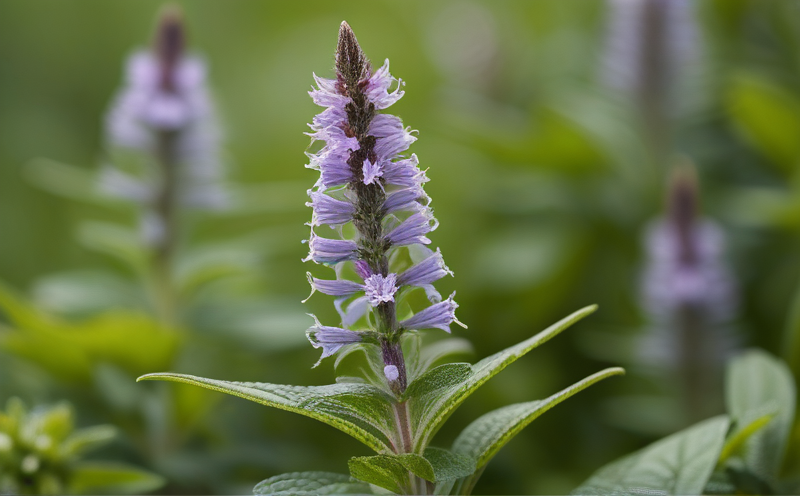
Excellent bee and butterfly plant , flowers heavily in mid-to-late summer when other nectar sources may wane. Compact, woody perennial with beautiful blue, pink, or white flower spikes. Attracts hummingbirds. Deer and rabbit resistant. Cut back by one-third after flowering to maintain compact shape. Replace plants every 4-5 years as they become woody and less productive. Anise hyssop (Agastache foeniculum) is a different species with licorice-anise flavor , not a true hyssop.
🛒 Buy Seeds & Plants
Baker Creek Heirloom Seeds
Johnny's Selected Seeds
Botanical Interests
True Leaf Market
Burpee
Territorial Seed Company
Plot Buddies is reader-supported. When you buy through links on our site, we may earn an affiliate commission at no extra cost to you. This does not affect our plant recommendations. We only link to retailers we trust.