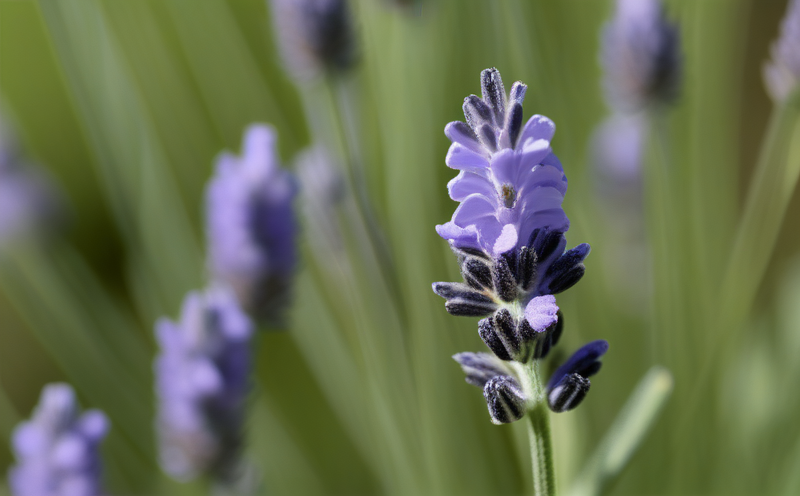
🌿 Lavender

Lavandula angustifolia (English lavender); Lavandula × intermedia (Lavandin)
herbs Perennial woody shrub
Illustration of Lavender
☀️ Sun
Full sun; 8+ hours daily. Insufficient sun = leggy plants + poor oil production.
💧 Water
Drought-tolerant once established. Water deeply but infrequently. Overwatering is the #1 killer — causes root rot. Let soil dry between watering.
🗺️ Zones
USDA zones 5-9 (English); 5-8 (Lavandin)
🪴 Soil Type
Excellent drainage is CRITICAL; sandy, gravelly, alkaline; pH 6.5-8.0. Add lime if acidic. Raised beds or mounds in clay soil. Poor soil with good drainage is better than rich wet soil.
🧪 Soil pH
6.5-8.0 (prefers alkaline, well-drained, sandy/gravelly soil; dislikes acid)
📏 Spacing
24-36 inches apart (needs airflow to prevent fungal issues)
📐 Height
18-36 inches depending on variety
📅 Days to Maturity
Can harvest lightly year 1; full harvest years 2-5; replace after 5-8 years

🍴 Edible Parts

🍽️ ["Flowers (culinary grade)"🍽️ "Leaves (sparingly)"]

🤝 Companions (7)

🤝 Roses
Classic pairing; lavender repels aphids from roses and hides bare rose canes. Traditional English cottage garden combination.
Identical Mediterranean growing needs; strong aromatic pest deterrence.
Shared dry, sunny conditions; combined ground-level pest protection.
Mediterranean herb companion; similar care requirements.
Lavender attracts pollinators that benefit echinacea; drought-tolerant pairing.
🤝 Fruit trees
Attracts pollinators to fruit trees; repels codling moth and other fruit pests.
🤝 Cabbage/Brassicas
Strong scent helps mask brassicas from cabbage moths.

⚠️ Keep Apart (5)

⚠️ Mint
Completely different water needs; mint's moisture requirements cause lavender root rot.
⚠️ Cilantro/Coriander
Incompatible water needs; cilantro needs moisture, lavender needs drought.
⚠️ Impatiens and shade plants
Lavender needs full sun and dry soil; moisture-loving companions cause problems.
⚠️ Hostas and ferns
Completely incompatible growing conditions.
Cilantro and lavender are incompatible — competing nutrients, shared disease risks, or allelopathic interference.

💊 Medicinal Uses

{"conditions_treated": ["Anxiety and stress (one of the most studied aromatherapy anxiolytics)", "Insomnia (well-documented sleep aid; linalool and linalyl acetate are sedative)", "Headaches and migraines (especially tension headaches; topical application to temples)", "Minor burns and wounds (antimicrobial and wound-healing)", "Skin conditions (eczema, psoriasis, acne \u2014 anti-inflammatory and antimicrobial)", "Insect bites and stings (anti-inflammatory, reduces itching)", "Muscle pain and tension (antispasmodic)", "Fungal infections (ringworm, candida, athlete's foot)", "Hair loss (alopecia areata \u2014 some clinical evidence for lavender oil massage)"], "preparation_methods": ["Aromatherapy: 3-5 drops lavender essential oil in diffuser for anxiety and insomnia", "Lavender tea: 1-2 tsp dried flowers steeped 10 min (mild sedative \u2014 less potent than essential oil)", "Topical oil: 2-5% lavender essential oil in carrier oil; massage into temples for headache, chest for anxiety", "Burn care: 2-3 drops lavender oil in 1 tbsp carrier oil applied to minor burns (after cooling with water)", "Sleep pillow: Dried lavender flowers in sachet under pillow", "Bath: Handful of dried flowers or 5-10 drops essential oil in bath for relaxation and muscle tension", "Tincture: 1:5 in 45% alcohol; 1-2ml for mild anxiety (less common than aromatherapy)", "Facial toner: Lavender hydrosol (floral water) for acne-prone skin", "Insect bite relief: 1 drop neat lavender oil on mosquito bites (one of few oils safe for neat application on small areas)"], "active_compounds": ["Linalool", "Linalyl acetate", "1,8-cineole", "Camphor", "Terpinen-4-ol"], "toxicity_warnings": "Generally safe. Lavender essential oil may cause skin irritation in some \u2014 always patch test. Some evidence that lavender oil may have weak estrogenic effects (controversial \u2014 linked to prepubertal gynecomastia in a few case reports; not confirmed in broader studies). Avoid internal use of essential oil. Pregnant women should use essential oil sparingly and diluted. Do not apply undiluted to large areas."}

📜 History & Traditional Uses

{"medieval": "Used as a strewing herb on floors, in linen chests, and in 'tussie-mussies' (nosegays) to ward off plague. 'Four Thieves Vinegar' included lavender during the plague. Used in medieval monastery infirmaries for 'disorders of the head.'", "ancient": "Romans used lavender in baths ('lavare' = to wash), for wounds, and as perfume. Egyptians used lavender in mummification. Greeks used it for insomnia and 'sickness of the head.'", "folk_medicine": "Used in European folk medicine for 'nervous headaches,' 'hysteric complaints,' and as a 'cephalic' (head medicine). Lavender bags placed under pillows for sleep and in linen closets. Used extensively in English country gardens and cottage medicine."}