🥦 Rutabaga (Swede)
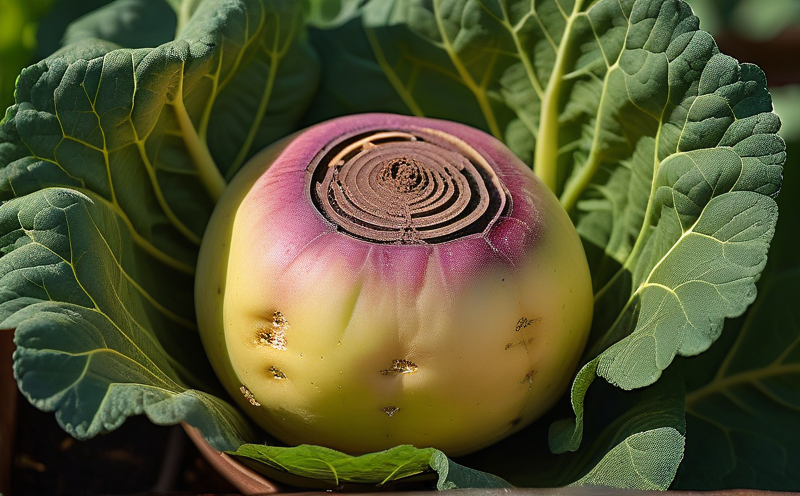
🍴 Edible Parts
🤝 Companions (6)
⚠️ Keep Apart (5)
💊 Medicinal Uses
Medicinal Properties
- Excellent source of vitamin C , 1 cup provides over 50% daily value; historically crucial for preventing scurvy in Northern European winters
- Contains glucosinolates , anti-cancer compounds (same family as broccoli, kale)
- Rich in fiber, potassium, and manganese; good source of calcium and magnesium
- Contains beta-carotene (yellow-fleshed varieties) and vitamin K (from greens)
- Traditional remedy for coughs and respiratory ailments in Northern European folk medicine
📝 Growing Notes
Rutabaga (called 'swede' in UK/Australia, 'neep' in Scotland) is a cross between turnip and wild cabbage (Brassica oleracea). Distinct from turnips: rutabagas have yellow/orange flesh (vs. white), smoother blue-green leaves with a more pronounced neck, are larger, sweeter, and much slower-growing (90, 120 days vs. 30, 60 for turnips). Plant in mid-summer for fall harvest , rutabagas are VERY cold-hardy and flavor sweetens dramatically after frost. Can overwinter in ground with heavy mulch in Zone 4+. Store at 32, 40°F with high humidity (root cellar). Boron deficiency is the most common problem , causes brown heart; supplement if needed. Wax coating on store-bought rutabagas is applied after harvest to prevent moisture loss , homegrown ones don't need it and taste far superior.
🛒 Buy Seeds & Plants
Plot Buddies is reader-supported. When you buy through links on our site, we may earn an affiliate commission at no extra cost to you. This does not affect our plant recommendations. We only link to retailers we trust.