🥦 Collard Greens
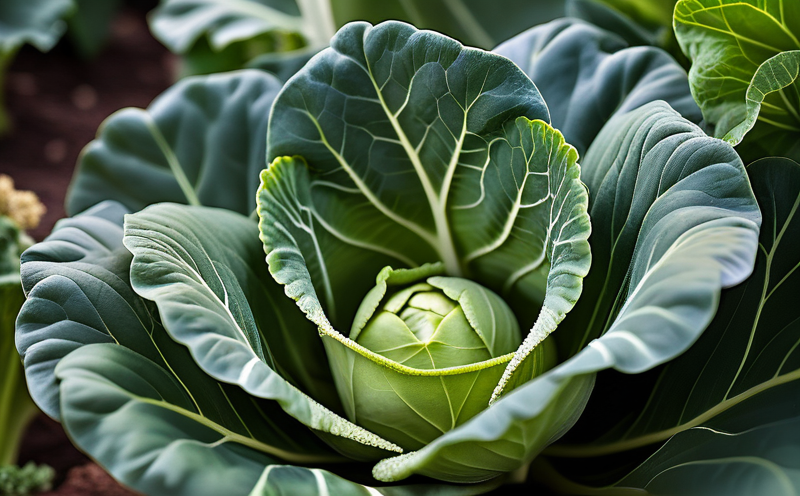
🍴 Edible Parts
🤝 Companions (7)
⚠️ Keep Apart (4)
💊 Medicinal Uses
Medicinal Properties
- Extremely nutrient-dense , excellent source of vitamin K (1 cup = 1000%+ daily value), vitamin A, vitamin C, and manganese
- Contains sulforaphane and indole-3-carbinol , powerful anti-cancer glucosinolates (especially against breast, colon, and prostate cancers)
- High in calcium (more bioavailable than spinach's calcium); also contains vitamin D2 (rare in vegetables)
- High fiber content , supports digestive health and cholesterol reduction
- Contains alpha-lipoic acid , antioxidant that may help lower blood glucose and improve insulin sensitivity
📝 Growing Notes
Collards are the most cold-hardy brassica alongside kale , flavor sweetens significantly after frost (starches convert to sugars). Can survive temperatures to 5°F (-15°C) with protection. Traditional Southern US staple , slow-cooked with smoked meat. 'Georgia Southern' is the classic variety; 'Champion' is more compact. Cut lower/outer leaves first for extended harvest (4, 6+ months per plant). Can be grown as a perennial cut-and-come-again crop in mild climates. Cabbage loopers are the main pest , Bt (Bacillus thuringiensis) or row covers for organic control.
🛒 Buy Seeds & Plants
Plot Buddies is reader-supported. When you buy through links on our site, we may earn an affiliate commission at no extra cost to you. This does not affect our plant recommendations. We only link to retailers we trust.