🥕 Turnip

Brassica rapa subsp. rapa
vegetables root vegetable (brassicaceae)
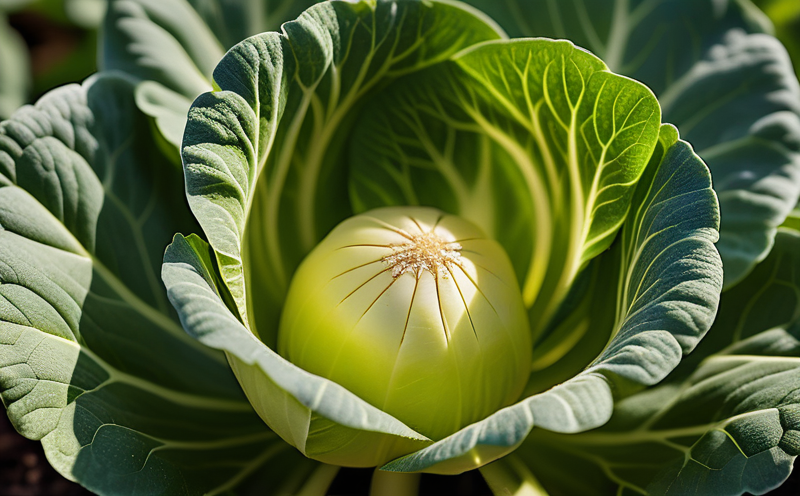
Illustration of Turnip
☀️ Sun
Full sun (6–8 hours); tolerates partial shade — especially beneficial in Zones 7+
💧 Water
Medium; 1 inch per week consistently; even moisture critical for tender, non-woody roots; drought stress causes woody/pithy/hot turnips
🗺️ Zones
3, 4, 5, 6, 7, 8, 9, 10
🪴 Soil Type
Light, loose, sandy loam; turnips tolerate heavier soil than carrots but still need loose conditions for good root shape; moderate organic matter — excess nitrogen produces all tops, no roots
🧪 Soil pH
6.0–7.0 (slightly acidic to neutral)
💧 Drainage
Well-drained essential; standing water causes root rot and split roots
📏 Spacing
Seeds 2 inches apart, thin to 4–6 inches; rows 12–18 inches; for greens only: broadcast sow densely; for large storage turnips: thin to 6–8 inches
📅 Days to Maturity
30-60 days (from seed); baby turnips at 30-40 days, full size at 50-60 days

🍴 Edible Parts

🍽️ ["Root (swollen storage root \u2014 raw🍽️ roasted🍽️ mashed🍽️ pickled🍽️ soups/stews)"🍽️ "Leaves/greens (turnip greens \u2014 highly nutritious🍽️ traditional Southern US staple)"🍽️ "Stems (tender stems cooked with greens)"🍽️ "Baby turnips (harvest at 1\u20132 inches \u2014 most tender🍽️ eaten raw)"]

🤝 Companions (7)

🤝 Pea
Peas fix nitrogen to support turnip root and leaf growth; both cool-season; peas provide light shade preventing turnip bolting
🤝 Onion/Garlic/Allium
Repels aphids and flea beetles from turnips; complementary root depths
🤝 Rosemary/Sage
Aromatic herbs mask brassica scent from flea beetles and cabbage moths; strong pest deterrents
Trap crop for aphids; repels cabbage loopers; ground cover retains moisture
Attracts beneficial wasps that prey on cabbage pests; improves turnip growth
Same family — radishes mark rows for slower turnips; radishes are harvested before turnips need space
🤝 Lettuce/Spinach
Similar cool-season timing; greens grow in turnip's partial shade; harvested before turnip roots need full space

⚠️ Keep Apart (4)

Both are root crops competing for potassium and phosphorus; potato harvest disturbs turnip roots
⚠️ Mustard (close relative)
Same pest profile — increases flea beetle and cabbage worm pressure
Brassica root exudates may stunt tomato growth
Allelopathic — inhibits turnip root development

💊 Medicinal Uses

["Turnip greens are exceptionally nutrient-dense \u2014 one of the highest sources of vitamin K (1 cup cooked = 600%+ daily value), vitamin A, and vitamin C", "Roots contain glucosinolates \u2014 anti-cancer compounds; high in fiber and vitamin C", "Both roots and greens are rich in calcium (more bioavailable than spinach's calcium)", "Traditional remedy for respiratory issues \u2014 turnip syrup for coughs and bronchitis (folk medicine)", "Contains lutein \u2014 eye health; and indoles \u2014 hormone metabolism support"]

📝 Notes

Turnips are one of humanity's oldest cultivated vegetables (prehistoric). Two main uses: salad turnips (small, tender, eaten raw — 'Hakurei' Japanese type) and storage turnips (larger, cooked — 'Purple Top White Globe' classic). Turnip greens may be more valued than the roots in Southern US and Asian cuisine. Extremely cold-hardy — roots can overwinter in ground with mulch in Zone 5+. Flavor sweetens after frost (like all brassicas). Fast-growing — 30–60 days for roots. Flea beetles riddle leaves with holes — use row covers. 'Seven-top' variety is grown exclusively for greens.