🍎 Raspberry
Rubus idaeus
fruits
perennial cane fruit
Rosaceae
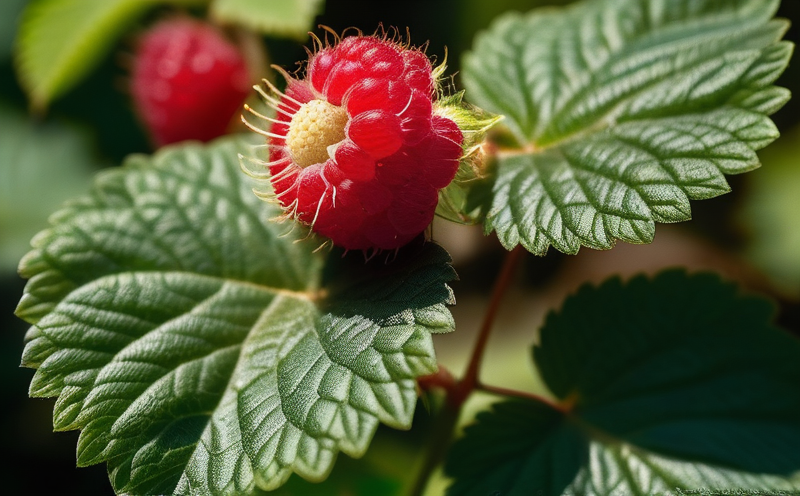
☀️ Sun
full sun
💧 Water
consistent moisture; mulch to retain; avoid wet feet
🗺️ Zones
3, 9
🧪 Soil pH
5.5, 6.5 (slightly acidic)
🪴 Soil Type
well-drained loam, high organic matter
🚿 Drainage
Well-drained
📏 Spacing
18-24 in. apart, 8-10 ft between rows (red); 24-36 in. for black/purple
📐 Height
48-72 in
⏱️ Maturity
1-2 years (from planting); summer-bearing fruit on second-year canes, everbearing in fall of first year
🍴 Edible Parts
🍽️ Fruit
Key:🤝 Grows well together❌ Keep apart☀️ Sun needs💧 Water🗺️ Hardiness zone
🤝 Companions (11)
Fixes nitrogen; living mulch suppresses weeds between rows; attracts pollinators
Potassium-rich mulch supports heavy fruiting; attracts pollinators; suppresses grass encroachment
Repel Japanese beetles and aphids; antifungal properties reduce cane blight and spur blight
Universal companion
Nematode suppression in root zone; repels aphids and raspberry beetles
Sacrificial trap crop for aphids; attracts beneficial hoverflies; edible flowers add garden diversity IMPORTANT management caveat: without active management, nasturtiums can become a SOURCE of aphids that migrate to nearby crops. Either remove aphid-infested nasturtium plants promptly, or treat the trap crop itself to eliminate the aphid colony before it spreads. Strategic placement within 4-5 feet of protected crops is key.
Repels raspberry cane borer, Japanese beetles, and ants; plant at row ends
Repel harlequin bugs and cucumber beetles; brassica trap crop diverts pests from canes
Attracts ladybugs, lacewings, and hoverflies that prey on aphids; accumulates phosphorus and potassium
⚠️ Keep Apart (7)
Shared pest and disease reservoir , virus transmission risk (raspberry mosaic virus); cross-pollination issues for some varieties
Potato and raspberry are incompatible , competing nutrients, shared disease risks, or allelopathic interference.
⚠️ Potatoes / Tomatoes / Eggplant
Verticillium wilt shared host; blight transmission; same fungal pathogen reservoir
Shared susceptibility to verticillium wilt and root rot; competition for similar soil niche
Juglone sensitive
📝 Growing Notes
Summer-bearing and everbearing types. Spreads by suckers.
🛒 Buy Seeds & Plants
Baker Creek Heirloom Seeds
Johnny's Selected Seeds
Botanical Interests
True Leaf Market
Burpee
Territorial Seed Company
Plot Buddies is reader-supported. When you buy through links on our site, we may earn an affiliate commission at no extra cost to you. This does not affect our plant recommendations. We only link to retailers we trust.