🥕 Endive (Curly / Frisée) and Escarole

Cichorium endivia
vegetables leafy green (chicory family, asteraceae)
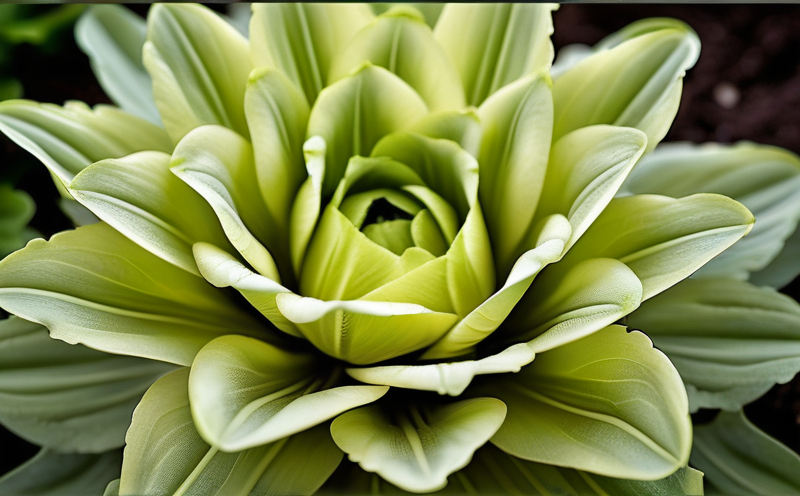
Illustration of Endive (Curly / Frisée) and Escarole
☀️ Sun
Full sun in cool weather; partial shade (4–6 hours) in warm weather; afternoon shade delays bolting
💧 Water
Medium; 1 inch per week consistently; even moisture critical for tender, non-bitter leaves; drought stress = intensely bitter endive
🗺️ Zones
3, 4, 5, 6, 7, 8, 9, 10
🪴 Soil Type
Rich, moisture-retentive, well-drained loam with high organic matter; endive is a moderate feeder — incorporate 2 inches of compost before planting; too much nitrogen causes excessive outer leaf growth at expense of blanched hearts
🧪 Soil pH
6.0–7.0 (slightly acidic to neutral)
💧 Drainage
Well-drained but consistently moist; endive needs steady moisture for tender leaves
📏 Spacing
10–12 inches apart; rows 18–24 inches; escarole needs more space (12–14 inches) than curly endive
📅 Days to Maturity
45-65 days (from seed) for baby; 65-90 days for full heads

🍴 Edible Parts

🍽️ ["Leaves (the main crop \u2014 eaten raw in salads or cooked)"🍽️ "Heart (inner blanched leaves \u2014 more tender and less bitter)"🍽️ "Stems (tender inner stems edible)"]

🤝 Companions (6)

Radishes mark rows for slower-germinating endive; radishes harvested early before endive matures; radishes repel flea beetles
Different root depths — endive is shallow, carrots are deep; complementary water needs; endive provides living mulch
Similar growing conditions — both cool-season leafy greens; lettuce harvested earlier leaving endive space to mature; different pest profiles
🤝 Onion/Garlic/Leek
Repels aphids from endive; sulfur compounds mask plant scent; different root zones
🤝 Bean (bush)
Beans fix nitrogen to support endive leaf production; beans harvested mid-season before endive needs full space
Trap crop for aphids; ground cover retains soil moisture; endive benefits from pest diversion

⚠️ Keep Apart (3)

⚠️ Pumpkin/Squash
Sprawling squash vines overwhelm endive; heavy feeders compete for nutrients; squash shade prevents proper endive heading
Allelopathic — inhibits endive and all chicory-family plants
Some sources report strawberries may inhibit endive growth through root competition

💊 Medicinal Uses

["Contains inulin \u2014 prebiotic fiber supporting gut microbiome health", "Rich in vitamin K, vitamin A, and folate; good source of manganese", "Contains intybin \u2014 the bitter compound that stimulates appetite and digestive function; traditionally used as a digestive tonic", "Bitter compounds (sesquiterpene lactones) may support liver and gallbladder function", "Low calorie, high fiber \u2014 supports weight management and blood sugar regulation"]

📝 Notes

Two main types: Curly endive (frisée) — finely cut, frilly leaves, and Escarole — broad, slightly crumpled leaves with more substantial texture. Both are cool-season crops in the chicory family (related to radicchio and Belgian endive/witloof — which is a DIFFERENT species, Cichorium intybus). Bitterness increases with heat — grow as spring or fall crop. Blanching (covering the center 7–10 days before harvest) reduces bitterness and produces tender, pale hearts — tie leaves loosely over the center or use an inverted plate. Excellent for succession planting. Much more heat-tolerant than lettuce — can extend salad season into early summer when lettuce has bolted. Great winter crop in Zones 8+.