🥕 Fava Bean (Broad Bean)

Vicia faba
vegetables legume (cool-season annual)
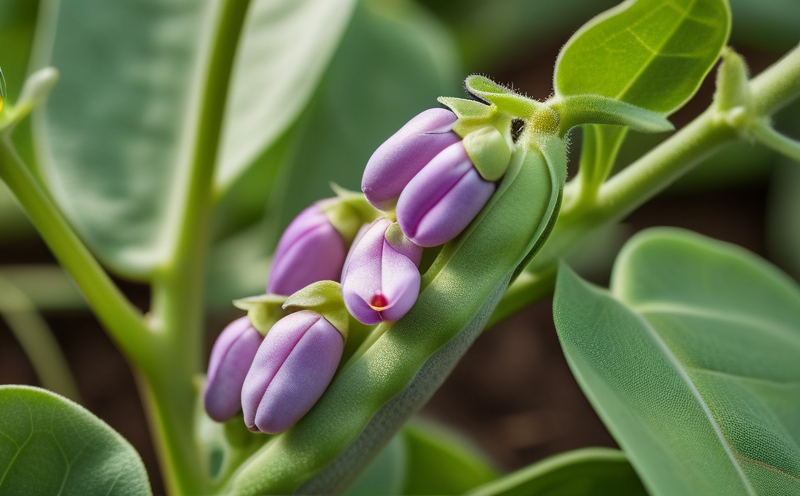
Illustration of Fava Bean (Broad Bean)
☀️ Sun
Full sun (6–8 hours); tolerates partial shade better than most vegetables — one of the most shade-tolerant legumes
💧 Water
Medium; 1 inch per week; consistent moisture during flowering and pod set critical; reduce watering when pods begin filling; drought during pod fill = few/small beans
🗺️ Zones
3, 4, 5, 6, 7, 8, 9, 10
🪴 Soil Type
Rich, well-drained, loamy soil with moderate organic matter; fava beans are NOT as nitrogen-fixing-dependent as other beans — they benefit from moderate fertility; incorporate compost; avoid excessive nitrogen (delays flowering)
🧪 Soil pH
6.0–7.0 (slightly acidic to neutral); tolerates slightly alkaline soil better than most beans
💧 Drainage
Well-drained essential; fava beans are especially sensitive to waterlogged winter soil — raised beds recommended in wet winter climates
📏 Spacing
Seeds 4–6 inches apart; rows 18–24 inches; dwarf varieties: 15–18 inch rows; fava beans grow tall (3–5 feet) — may need staking in windy areas
📅 Days to Maturity
75-90 days (from seed); 80-100 days for dry beans

🍴 Edible Parts

🍽️ ["Seeds/beans (the main crop \u2014 shelled fresh or dried; must be shelled twice: once from pod🍽️ then each bean's individual skin for best texture)"🍽️ "Young pods (whole pods edible when very young🍽️ 2\u20133 inches \u2014 like snow peas)"🍽️ "Leaves/tops (tender growing tips \u2014 saut\u00e9ed like spinach; traditional in Italian/Mediterranean cuisine)"🍽️ "Flowers (edible \u2014 ornamental addition to salads)"]

🤝 Companions (8)

Fava beans repel Colorado potato beetles; potatoes repel black bean aphids from favas; different root depths — classic European intercropping combination
🤝 Corn
Fava beans fix nitrogen for heavy-feeding corn; favas are harvested before corn reaches full height; traditional Mediterranean intercropping
Fava beans improve soil nitrogen for strawberries; favas are harvested (or cut down for green manure) before strawberries spread; mutually compatible
Repels nematodes and various bean pests; attracts beneficial insects
Trap crop for black bean aphids (favas' #1 pest); ground cover retains moisture
The 'bean herb' — repels bean beetles; may improve growth and flavor
Different root depths; favas fix nitrogen for carrots; complementary cool-season timing
🤝 Lettuce/Spinach
Cool-season companions; lettuce grows in fava's partial shade; fava's nitrogen supports leaf production

⚠️ Keep Apart (4)

⚠️ Onion/Garlic/Allium
Strong allium inhibition — the worst companion for fava beans; sulfur compounds disrupt nitrogen-fixing rhizobia; severely stunted plants
Allelopathic — strongly inhibits fava bean growth and nitrogen fixation
⚠️ Pepper (bell/hot)
Peppers are warm-season; favas finish as peppers start, but avoid planting in same soil without rotation — potential for disease carryover
Some sources report beets and fava beans are antagonistic; separate if possible

💊 Medicinal Uses

["Excellent plant-based protein source \u2014 one of the highest-protein legumes (25%+ by dry weight when shelled)", "Exceptionally rich in L-dopa (levodopa) \u2014 the precursor to dopamine; fava beans are the natural food source with the highest L-dopa content; being studied for Parkinson's disease management", "Rich in folate \u2014 one cup provides 100%+ daily value; critical for fetal development and cardiovascular health", "High in fiber, iron, magnesium, potassium, and B vitamins", "WARNING: Favism \u2014 a genetic G6PD enzyme deficiency affecting ~400 million people worldwide (especially Mediterranean, African, Middle Eastern descent); eating fava beans can cause severe hemolytic anemia in susceptible individuals"]

📝 Notes

Fava beans (broad beans) are one of the oldest cultivated crops (6,000+ years). Unlike most beans, they are COOL-SEASON — plant as early as soil can be worked (they tolerate frost to 21°F/-6°C). In Zones 7–10, plant in fall for early spring harvest. Pinch out growing tips when first pods appear — this redirects energy to pods AND removes the soft tissue that black bean aphids prefer (the #1 pest of favas). Harvest when pods are plump but still green — beans continue to mature after picking. For dried beans, let pods turn black on the plant. Favas make an outstanding winter cover crop/green manure — the biomass adds significant nitrogen and organic matter when turned under. Tall varieties need staking; dwarf varieties are self-supporting. The flowers are fragrant and attract bumblebees.