🌿 Valerian
Valeriana officinalis
medicinal_herbs
perennial
Caprifoliaceae
☀️ Sun
Full sun to partial shade
💧 Water
Moderate to high
🗺️ Zones
4, 9
🧪 Soil pH
6.0, 7.0
🪴 Soil Type
Loamy, rich
🚿 Drainage
Moist, well-drained
📏 Spacing
18, 24 inches
📐 Height
3, 5 feet
⏱️ Maturity
365 days (roots harvested in second year)
Key:🤝 Grows well together❌ Keep apart☀️ Sun needs💧 Water🗺️ Hardiness zone
🤝 Companions (7)
Ground cover, pest deterrent
Similar growing conditions
Attracts beneficial insects
Shared moisture needs
Companion in medicinal gardens
Vigorous ground cover, pest repellent
Drought buffer and pollinator attractor
⚠️ Keep Apart (2)
📝 Growing Notes
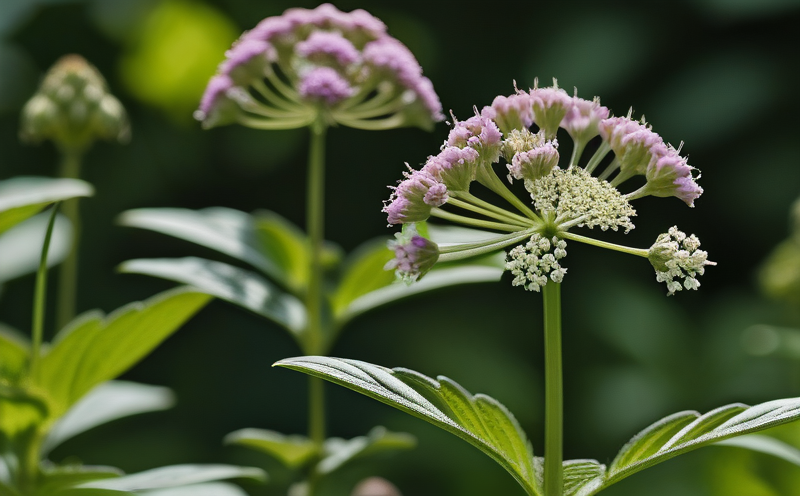
Harvest roots in fall of second year for highest potency. Flowers attract beneficial insects and pollinators. Cats are strongly attracted to valerian, similar to catnip. Divide every 3, 4 years. Roots have a distinct earthy, musky odor when dried.
🛒 Buy Seeds & Plants
Baker Creek Heirloom Seeds
Johnny's Selected Seeds
Botanical Interests
True Leaf Market
Burpee
Territorial Seed Company
Plot Buddies is reader-supported. When you buy through links on our site, we may earn an affiliate commission at no extra cost to you. This does not affect our plant recommendations. We only link to retailers we trust.