🌿 Calendula
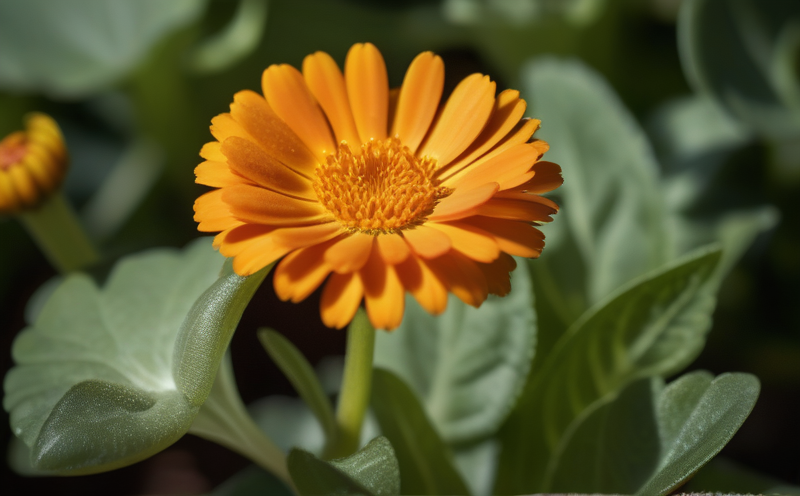
🍴 Edible Parts
🤝 Companions (7)
⚠️ Keep Apart (0)
No known enemies listed.
💊 Medicinal Uses
Conditions Treated
Preparation Methods
- Calendula salve: Dried flowers infused in oil (olive or coconut), strained, mixed with beeswax , THE standard wound-healing salve for every home apothecary
- Calendula oil: Fresh or dried flowers in carrier oil; 2-4 weeks solar or gentle heat infusion; use directly on skin or in salves
- Tea/infusion: 1-2 tsp dried petals steeped 10-15 min; drink for lymphatic support and digestive inflammation; also used as mouthwash or skin wash
- Eyewash: TEASPOON of well-strained, cooled calendula tea; use sterile technique for conjunctivitis
- Tincture: 1:5 in 60% alcohol; 2-4ml 3x daily for lymphatic support and internal inflammation
- Compress: Cloth soaked in strong calendula infusion for wounds, varicose veins, hemorrhoids
- Bath: Strong calendula infusion added to bathwater for widespread skin conditions and children's eczema
- Cream: Water-based calendula cream for conditions needing moisture (vs. salve for protection)
Active Compounds
⚠️ Safety
Very safe herb , one of the safest topical remedies. Avoid internal use during pregnancy (emmenagogue , may stimulate uterine contractions). Rare allergic reactions in Asteraceae-sensitive individuals (ragweed, daisies). Do not use on deep or infected wounds without medical supervision (may heal surface too quickly, trapping infection).
📜 History & Folklore
🏛️ Ancient
Ancient Egyptians used calendula for skin rejuvenation. Greeks used it for wounds. Romans named it 'calendula' because it blooms every month ('calends').
🏰 Medieval
Called 'Mary's Gold' , associated with the Virgin Mary. Used during plague times. Strewing herb and pot marigold in cooking. Used for 'measles and smallpox' externally. Macer (medieval herbal) recommended it for wounds and 'drawing out poison.'
🌿 Folk Medicine
One of the most universally used wound herbs. American Civil War surgeons used calendula for battlefield wounds. Used in European folk medicine as a 'cancer herb' (external tumors). German Commission E approved calendula for wound healing and oral inflammation. Appears in virtually every traditional European herbal.
🛒 Buy Seeds & Plants
Plot Buddies is reader-supported. When you buy through links on our site, we may earn an affiliate commission at no extra cost to you. This does not affect our plant recommendations. We only link to retailers we trust.