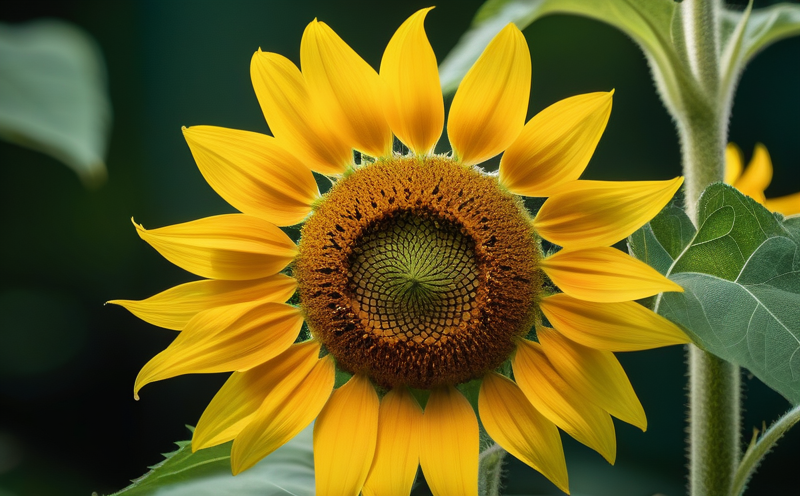
🥑 Sunflower
🍴 Edible Parts
🤝 Companions (10)
⚠️ Keep Apart (7)
💊 Medicinal Uses
Sunflower seeds are exceptionally nutritious — rich in vitamin E (a powerful antioxidant protecting cell membranes), selenium, magnesium, copper, and healthy unsaturated fats. The seeds contain phytosterols that help lower cholesterol. Sunflower seed oil is high in linoleic acid (omega-6) and vitamin E. A tea made from sunflower petals is used traditionally for sore throats, respiratory infections, and as a mild diuretic. Sunflower leaf poultices have been used for skin inflammation and insect bites. The seeds contain tryptophan, which supports serotonin production and mood regulation. Sunflower lecithin is used as a supplement for liver health and cognitive function.
📜 History & Traditional Uses
Sunflower was domesticated by Native Americans in present-day Arizona and New Mexico approximately 3,000-5,000 years ago, predating corn and beans in some regions. The seeds were ground into flour, eaten whole, and pressed for oil. Sunflower was one of the first crops brought to Europe by Spanish explorers in the 1500s, initially grown as an ornamental curiosity. Russian farmers developed modern oilseed varieties in the 1800s, and by the 1900s, Russia was the world's leading producer. Sunflower became the national flower of Ukraine. Today, sunflower is one of the world's most important oilseed crops, with Ukraine and Russia still among the top producers.
📝 Notes
Sunflowers exhibit heliotropism — young flower heads track the sun across the sky (east to west), a phenomenon that stops once flowers mature and face east permanently. Sunflowers are allelopathic — their roots, leaves, and seed hulls release chemicals that inhibit the growth of nearby plants, particularly potatoes, pole beans, and grass crops. They are heavy feeders that deplete soil nutrients rapidly. The deep taproot (up to 6+ feet) mines nutrients and breaks up compacted soil, but also aggressively competes for water. Sunflowers are excellent phytoremediators — they absorb heavy metals (lead, arsenic, uranium) from contaminated soil and were famously used after Chernobyl and Fukushima.