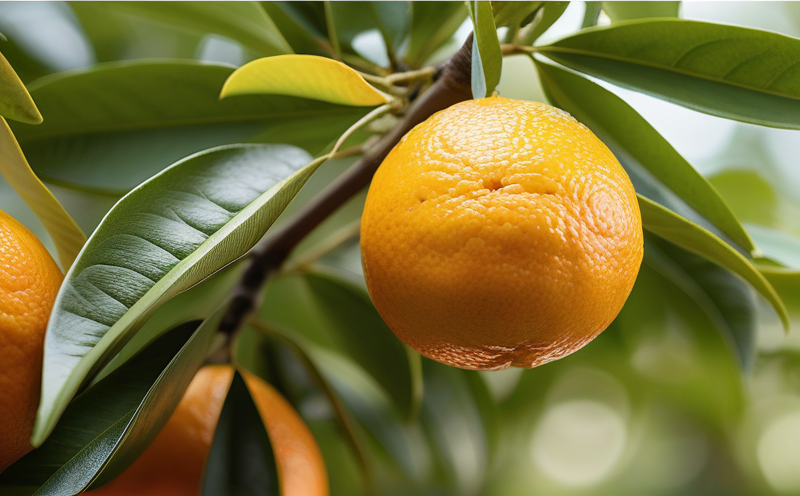
🍊 Orange Tree
Citrus sinensis
Tree
☀️ Sun
Full sun (8+ hours)
💧 Water
Moderate; consistent deep watering; excellent drainage required
🗺️ Zones
9–11
📏 Spacing
15–25 ft
📐 Height
15–30 ft (standard); 8–12 ft (dwarf)
🧪 Soil pH
5.5–6.5
⏱️ Maturity
3–5 years to first fruit
Key:🤝 Grows well together❌ Keep apart☀️ Sun needs💧 Water🗺️ Hardiness zone
🤝 Companions (10)
Good companion — Orange Tree and Marigold grow well together.
Good companion — Orange Tree and Basil grow well together.
🤝 Clover
Good companion — Orange Tree and Clover grow well together.
Good companion — Orange Tree and Nasturtium grow well together.
Good companion — Orange Tree and Garlic grow well together.
🤝 Sweet Alyssum
Good companion — Orange Tree and Sweet Alyssum grow well together.
Good companion — Orange Tree and Chives grow well together.
Good companion — Orange Tree and Lavender grow well together.
Good companion — Orange Tree and Thyme grow well together.
Good companion — Orange Tree and Comfrey grow well together.
⚠️ Keep Apart (4)
Keep apart — these plants do not grow well together.
⚠️ Grass (turf)
Keep apart — these plants do not grow well together.
Keep apart — these plants do not grow well together.
⚠️ Walnut
Keep apart — these plants do not grow well together.
📝 Growing Notes
Orange trees thrive with marigold companions that deter nematodes and a white clover ground cover that fixes nitrogen. Basil planted nearby repels soft-bodied insects including aphids, spider mites, and whiteflies. Citrus greening disease (HLB), carried by the Asian citrus psyllid, is the most serious contemporary pest threat.