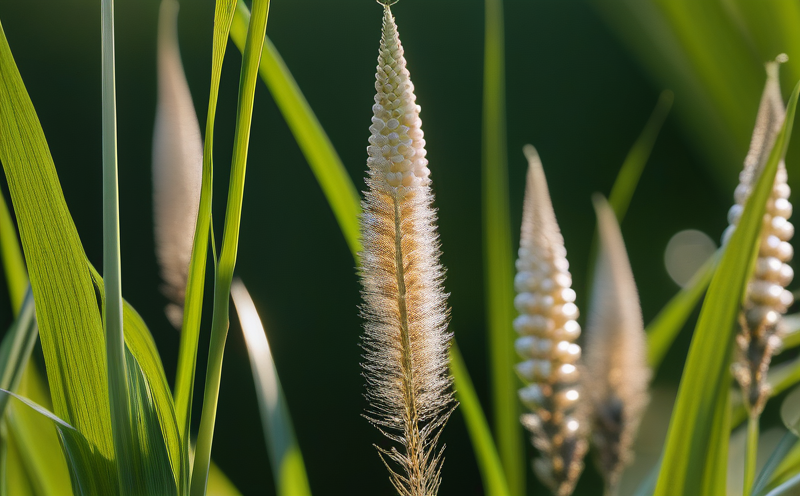
🌾 Millet
🍴 Edible Parts
🤝 Companions (10)
⚠️ Keep Apart (6)
💊 Medicinal Uses
Millet is gluten-free, highly digestible, and alkaline-forming, making it one of the least allergenic grains. It is rich in magnesium (essential for heart health, muscle function, and blood pressure regulation), phosphorus, B vitamins (especially niacin and B6), iron, and zinc. Finger millet (ragi) has the highest calcium content of any cereal grain — 344 mg per 100g, making it especially valuable for bone health and osteoporosis prevention in vegetarian populations. Millet consumption is associated with lower risk of type 2 diabetes due to its low glycemic index and high fiber content. The grain contains phenolic compounds and phytic acid with antioxidant and potential anticancer properties.
📜 History & Traditional Uses
Millets were among the first domesticated grains, with evidence of foxtail millet cultivation in China dating to 8,700 BCE and pearl millet in West Africa by 2,500 BCE. Millets were staple grains across ancient civilizations in China, India, and Africa before rice and wheat became dominant. Proso millet was a key crop in Neolithic Europe and was used to make the original polenta before corn arrived from the Americas. In India, finger millet (ragi) is a traditional weaning food due to its high nutrient density. Millets sustained communities in arid and semi-arid regions where other grains could not survive. The UN declared 2023 the International Year of Millets to promote these climate-resilient grains.
📝 Notes
Millets are a diverse group of small-seeded C4 grasses, not a single species. They are among the most drought-tolerant crops on Earth, requiring as little as 10-12 inches of rainfall. Pearl millet is the most widely grown, especially in Africa and India. Proso millet has the shortest growing season (60-90 days) of any grain crop. Finger millet stores exceptionally well — grains can remain viable and pest-free for over 10 years without chemical treatment. Millets are naturally gluten-free and are undergoing a resurgence in Western markets as nutritious 'ancient grains.' They are often grown as emergency or catch crops when primary crops fail due to drought.