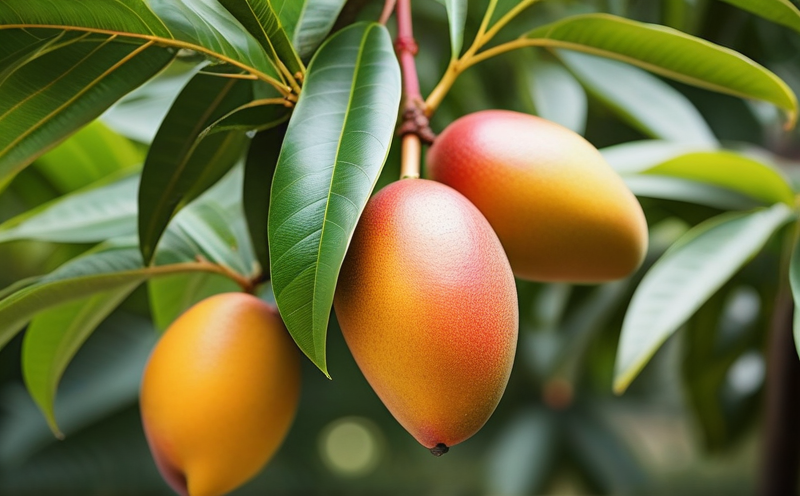
🍎 Mango

Mangifera indica
fruits tree
Illustration of Mango
☀️ Sun
full sun
💧 Water
moderate to high (reduce during fruiting)
🗺️ Zones
10-11
🪴 Soil Type
loamy, sandy
🧪 Soil pH
5.5-7.5
💧 Drainage
well-drained
📏 Spacing
25-40 feet (standard), 10-15 feet (dwarf)
📐 Height
30-100 feet (standard), 10-15 feet (dwarf)
📅 Days to Maturity
1095-1825 days (3-5 years grafted, 5-8 years from seed)

🍴 Edible Parts

🍽️ fruit (flesh)🍽️ young leaves (in some cuisines)

🤝 Companions (11)

Mango trees provide the dappled shade that young cacao needs; they occupy different canopy levels and root zones
Bananas act as a nurse crop for young mango trees, providing wind protection and moisture retention through their broad leaves
🤝 Pigeon Pea
Pigeon pea fixes nitrogen to support mango growth, its deep taproot doesn't compete with mango's feeder roots, and it provides windbreak protection
Coconut and mango are traditional tropical homestead companions; coconut provides wind protection and they occupy different canopy heights.
Jackfruit and mango are both large tropical fruit trees that can be integrated in multi-story home gardens; they occupy similar ecological niches but with complementary fruiting seasons.
Sweet potato serves as effective living ground cover under mango trees, suppressing weeds, retaining soil moisture, and preventing erosion on orchard floors.
🤝 Citrus Tree (General)
Citrus and mango are commonly intercropped in tropical orchards; they share similar climate requirements and have complementary root depths.
Fast-growing papaya fills space between young mango trees, providing quick returns while mango trees mature; papaya can be removed as mango canopy expands.
Ginger grows well in the partial shade of mature mango trees; its shallow rhizomes do not compete with deeper mango roots.
Turmeric thrives in the filtered light beneath mango canopies; provides an understory cash crop in mango orchards.
🤝 Bean (Bush)
Bush beans fix nitrogen, provide ground cover, and can be grown between young mango trees before the canopy closes.

⚠️ Keep Apart (3)

Eucalyptus aggressively competes for water and releases allelopathic oils that inhibit mango growth and fruit set
⚠️ Walnut (Black)
Juglone from walnut roots is highly toxic to mango trees, causing severe wilting, leaf curl, and eventual death
Sunflowers are heavy feeders that deplete soil moisture rapidly and produce root exudates inhibiting mango feeder root development

💊 Medicinal Uses

Mango fruit is exceptionally rich in vitamin C, vitamin A (beta-carotene), and polyphenols including mangiferin, a unique bioactive compound with antidiabetic, anticancer, anti-inflammatory, and immunomodulatory properties. The fruit supports eye health, immune function, and digestion. Mango leaves are used in Ayurvedic medicine for diabetes, with compounds that help regulate insulin levels and improve lipid profiles. The bark has astringent properties used for diarrhea and dysentery. Mango kernel extract has antimicrobial and antioxidant properties. Unripe mango is rich in pectin and vitamin C.

📜 History & Traditional Uses

Mango originated in South Asia over 4,000 years ago and is considered the 'king of fruits' in India, where it holds deep cultural and religious significance appearing in ancient Sanskrit texts and Buddhist legends. Mango groves were planted by Indian rulers as symbols of power, and the fruit was gifted as diplomatic currency along the Silk Road. Persian traders spread mangoes to East Africa, Portuguese explorers brought them to Brazil and West Africa in the 16th century, and Spanish traders introduced them to the Philippines and Mexico. Today, India produces over 40% of the world's mangoes, and there are over 1,000 cultivars worldwide.

📝 Notes

Mango is an evergreen tropical tree in the same family as cashews and poison ivy — some people are sensitive to the sap in the skin. The fruit takes 3-6 months to mature after flowering. Mango trees need a pronounced dry season to trigger flowering and fruit production. They are deep-rooted with a long taproot, making them quite drought-tolerant once established. Dwarf and semi-dwarf varieties are available for home gardens and container growing. Mango trees produce polyembryonic or monoembryonic seeds — polyembryonic types grow true from seed. The tree can live and fruit for over 300 years.