🥑 Turmeric
🍴 Edible Parts
🤝 Companions (10)
⚠️ Keep Apart (3)
💊 Medicinal Uses
Turmeric's primary bioactive compound, curcumin, is one of the most extensively researched natural compounds globally. Curcumin has potent anti-inflammatory, antioxidant, anticancer, and neuroprotective properties demonstrated in thousands of studies. It modulates multiple inflammatory pathways (NF-kB, COX-2), making it beneficial for arthritis, inflammatory bowel disease, and chronic inflammatory conditions. Turmeric is used traditionally in Ayurvedic and Chinese medicine for wound healing (topical paste), digestive disorders, liver protection, and as a blood purifier. Curcumin bioavailability is significantly enhanced when consumed with black pepper (piperine) and fat. Modern research explores curcumin for Alzheimer's prevention, depression treatment, and cancer therapy adjunct.
📜 History & Traditional Uses
Turmeric has been cultivated in India for at least 4,000 years, where it holds deep cultural, culinary, and spiritual significance. It is considered sacred and auspicious — used in Hindu wedding ceremonies (haldi ceremony), religious rituals, and as a protective symbol. The vibrant golden-yellow color made it valuable as a dye for robes (Buddhist monks' saffron robes were often colored with turmeric). Turmeric spread along the spice routes to China, Southeast Asia, the Middle East, and eventually Europe. In medieval Europe, it was known as 'Indian saffron' as a cheaper alternative to true saffron. Today, India produces over 80% of the world's turmeric, with Erode (Tamil Nadu) being the largest trading center.
📝 Notes
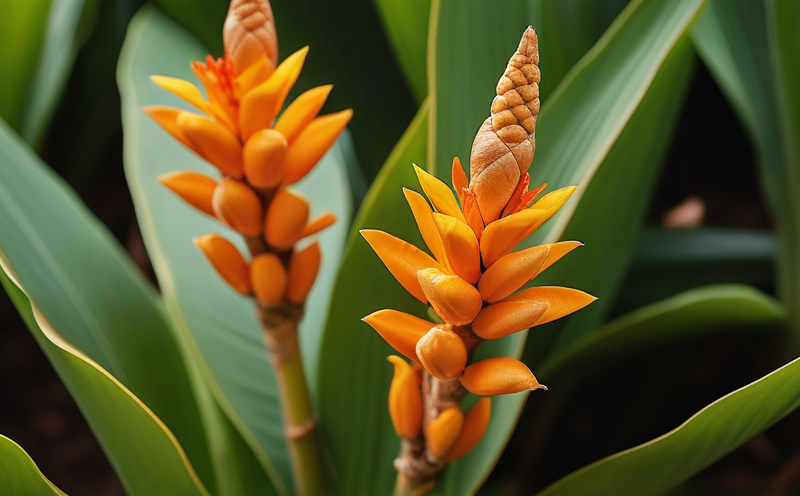
Turmeric is a tropical perennial with broad, canna-like leaves and striking white, pink, or yellow flower spikes. It is closely related to ginger but requires slightly warmer conditions and a longer growing season (9-10 months versus 8-10 for ginger). Turmeric goes dormant in dry or cool conditions, dying back completely before re-sprouting from rhizomes when warmth and moisture return. In temperate zones, start indoors 2-3 months before last frost. The rhizomes are the familiar bright orange-gold color due to curcuminoids. Fresh turmeric has a more complex, peppery-ginger-citrus flavor than dried powder. 'White turmeric' (Curcuma zedoaria) and 'mango ginger' (Curcuma amada) are related species.