🥕 Eggplant

Solanum melongena
vegetables fruit (culinary vegetable, solanaceae/nightshade)
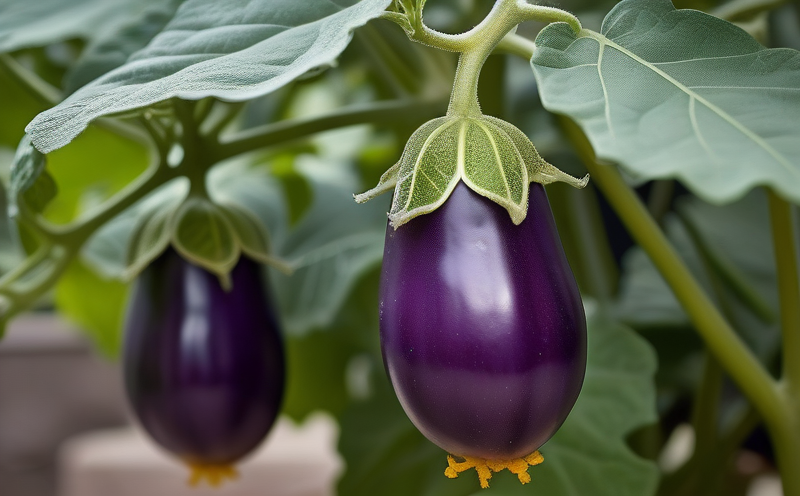
Illustration of Eggplant
☀️ Sun
Full sun (8+ hours) CRITICAL; eggplants need MORE heat and sun than tomatoes or peppers — insufficient sun = no fruit set
💧 Water
Medium–high; 1–1.5 inches per week; consistent moisture critical during fruit set and development; inconsistent watering causes blossom end rot (calcium transport issue); drip irrigation ideal; mulch heavily to retain moisture and warmth
🗺️ Zones
4, 5, 6, 7, 8, 9, 10, 11
🪴 Soil Type
Rich, well-drained, sandy loam with very high organic matter; eggplants are HEAVY feeders — incorporate 3–4 inches of compost and well-rotted manure; benefits from calcium (prevent blossom end rot) and potassium (fruit development)
🧪 Soil pH
5.5–7.0 (tolerates slightly more acidic soil than tomatoes/peppers)
💧 Drainage
Well-drained essential; eggplants are very sensitive to waterlogged soil — root rot and verticillium wilt are common in wet conditions; raised beds ideal
📏 Spacing
18–24 inches apart; rows 30–36 inches; compact/patio varieties: 12–18 inches; large Italian varieties need full spacing for good air circulation
📅 Days to Maturity
60-80 days (from transplant); 100-130 days from seed

🍴 Edible Parts

🍽️ ["Fruit (botanically a berry \u2014 the main crop; NEVER eat raw \u2014 contains solanine🍽️ though much less than green potatoes)"🍽️ "Leaves (NOT edible \u2014 toxic solanine content)"]

🤝 Companions (7)

Beans fix nitrogen to feed heavy-feeding eggplants; beans repel Colorado potato beetles which also attack eggplant; different root depths
Repels nematodes (eggplant is highly susceptible to root-knot nematodes); deters flea beetles and aphids; one of the most important eggplant companions
🤝 Oregano/Thyme
Aromatic oils repel flea beetles (eggplant's #1 pest), aphids, and spider mites; ground cover retains moisture
Repels whiteflies, aphids, and spider mites; improves eggplant flavor (anecdotal); attracts pollinators
Trap crop for aphids and flea beetles; ground cover retains soil moisture; repels whiteflies
🤝 Pepper
Both are nightshades with identical growing requirements; peppers are more compact, eggplants can be trellised above; efficient space use
Shades soil keeping eggplant roots cool; attracts beneficial predatory insects; different nutrient demands

⚠️ Keep Apart (4)

Allelopathic — strongly inhibits eggplant growth
Both Solanaceae — share Colorado potato beetle, flea beetles, early blight, and verticillium wilt; planting together concentrates pest and disease problems
⚠️ Tomato (close proximity)
Same family — shared pests (flea beetles, hornworms, blight); eggplants may compete with tomatoes for calcium; many sources recommend separating nightshades
⚠️ Corn
Both are heavy feeders competing intensely for nitrogen; corn may shade eggplant reducing fruit set

💊 Medicinal Uses

["Contains nasunin \u2014 a potent anthocyanin antioxidant found in purple eggplant skin; protects cell membranes from lipid peroxidation (brain health)", "Excellent source of dietary fiber \u2014 supports digestive health and cholesterol reduction", "Contains chlorogenic acid \u2014 antioxidant with antimicrobial, anti-inflammatory, and blood-sugar-lowering properties", "Good source of B vitamins (especially B1/B6), copper, and manganese", "Traditional medicine: used topically for skin inflammation; juice for lowering cholesterol (folk use)"]

📝 Notes

Eggplants are the MOST cold-sensitive nightshade — require soil temperatures above 65°F and air temperatures consistently above 70°F. Transplant only when nights are reliably above 55°F. Flea beetles are the #1 pest — they can kill young seedlings; floating row covers until flowering, then remove for pollination. Staking/caging prevents heavy fruit from breaking branches. Harvest when skin is glossy — dull skin means overripe and may be bitter; press gently — if flesh springs back, it's ready. Salting sliced eggplant before cooking draws out bitterness and prevents oil absorption. Modern varieties ('Italian', 'Japanese/Chinese' long types) are less bitter than older large globe types. Prune suckers for larger fruit, or leave unpruned for higher yield of smaller fruit.