🥦 Yacon
Smallanthus sonchifolius
vegetables
perennial herbaceous (grown for tuberous roots)
Asteraceae
☀️ Sun
full sun to partial shade
💧 Water
moderate to high
🗺️ Zones
8, 11 (zones 7 with mulch)
🧪 Soil pH
6.0-7.0
🪴 Soil Type
well-draining, fertile, loose
🚿 Drainage
Well-drained
📏 Spacing
24-36 in. apart, 36-48 in. between rows (large plants, 4-6 ft tall)
📐 Height
60-84 in
⏱️ Maturity
180-200 days (from planting); harvest after first frost kills foliage for sweetest roots
🍴 Edible Parts
🍽️ Eaten raw like fruit, salads, juice, syrup production (low-glycemic sweetener)
Key:🤝 Grows well together❌ Keep apart☀️ Sun needs💧 Water🗺️ Hardiness zone
🤝 Companions (14)
Amaranth and yacon are both tall, productive plants with complementary nutrient needs , yacon's large leaves shade out weeds between amaranth plants.
Aromatic herb that improves health of neighboring plants
Nitrogen fixer for heavy-feeding yacon
Tall corn provides wind protection for yacon
Universal garden companion; deters pests and attracts beneficials
Nasturtium acts as a trap crop for aphids, protecting yacon; its low-spreading habit covers soil beneath yacon's tall stalks, suppressing weeds and retaining moisture. IMPORTANT management caveat: without active management, nasturtiums can become a SOURCE of aphids that migrate to nearby crops. Either remove aphid-infested nasturtium plants promptly, or treat the trap crop itself to eliminate the aphid colony before it spreads. Strategic placement within 4-5 feet of protected crops is key.
Both large-rooted tropical perennials; different harvest
Sunflowers and yacon both grow tall with complementary root systems , sunflowers bring up deep minerals while yacon produces sweet tubers in the upper soil layers.
⚠️ Keep Apart (6)
📝 Growing Notes
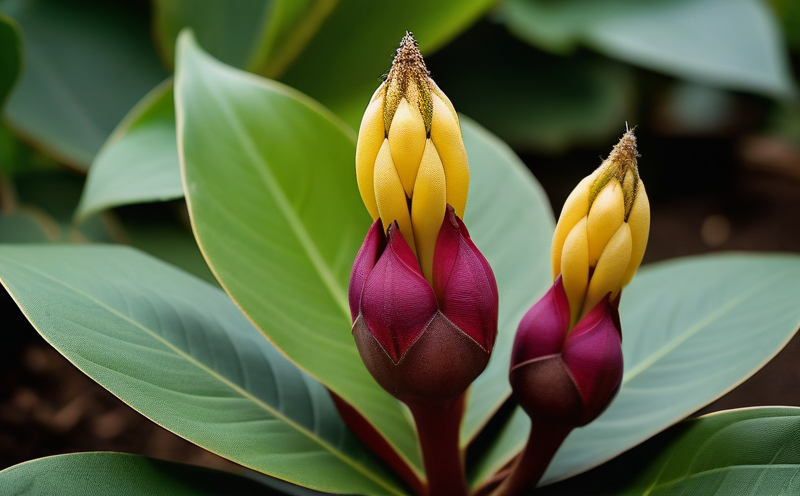
Tall (6-8 ft) daisy family plant with large leaves providing shade for understory crops. Produces sweet, crisp tubers. Related to Jerusalem artichoke. Frost-sensitive but tubers store well.
🛒 Buy Seeds & Plants
Baker Creek Heirloom Seeds
Johnny's Selected Seeds
Botanical Interests
True Leaf Market
Burpee
Territorial Seed Company
Plot Buddies is reader-supported. When you buy through links on our site, we may earn an affiliate commission at no extra cost to you. This does not affect our plant recommendations. We only link to retailers we trust.