🥕 Watermelon

Citrullus lanatus
vegetables fruit (culinary, cucurbit)
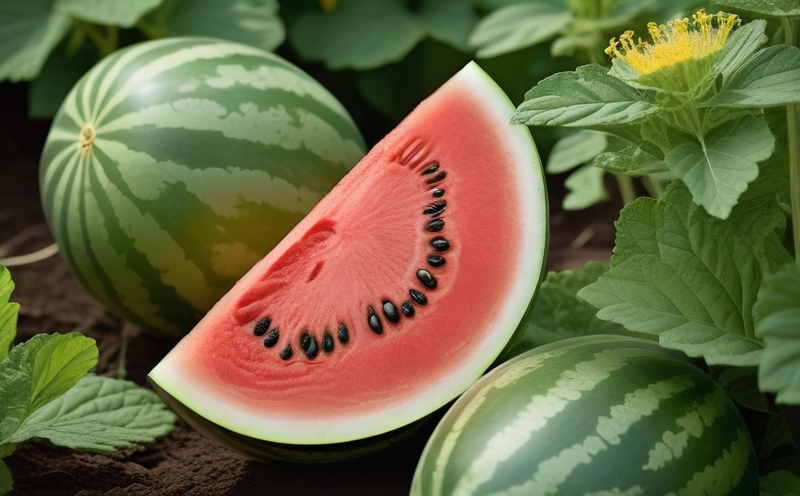
Illustration of Watermelon
☀️ Sun
Full sun (8+ hours) ABSOLUTELY CRITICAL; watermelons need maximum heat and sunlight — anything less produces bland, small fruit
💧 Water
Medium–high; 1–2 inches per week during vine growth and fruit development; CRITICAL: reduce watering significantly (or stop entirely if soil has residual moisture) during final 1–2 weeks of ripening — this dramatically concentrates sugar content; too much water at ripening = watery, bland watermelon
🗺️ Zones
3, 4, 5, 6, 7, 8, 9, 10, 11
🪴 Soil Type
Rich, well-drained, sandy loam with generous organic matter; watermelons are heavy feeders — incorporate compost and well-rotted manure; soil MUST be warm (70°F+) before planting; sandy soils warm faster — ideal for watermelons in cooler zones
🧪 Soil pH
6.0–7.0 (slightly acidic to neutral); tolerates slightly acidic to 5.5
💧 Drainage
Excellent drainage ESSENTIAL — watermelons are deep-rooted but hate wet feet; raised beds or hills/mounds critical in heavy soil; black plastic mulch warms soil and suppresses weeds
📏 Spacing
Hills: 2–3 plants per hill, hills 6–8 feet apart (watermelons sprawl 10+ feet!); rows: plants 24–36 inches apart, rows 6–8 feet; bush/short-vine varieties ('Sugar Baby'): 3–4 feet spacing; icebox varieties need less space
📅 Days to Maturity
75-100 days (from seed/transplant); icebox varieties 75-85 days, large 85-100 days

🍴 Edible Parts

🍽️ ["Flesh (red🍽️ pink🍽️ yellow🍽️ or orange \u2014 the main edible portion; seedless varieties available)"🍽️ "Seeds (roasted and salted \u2014 popular snack; especially black-seeded varieties; rich in protein and minerals)"🍽️ "Rind (pickled \u2014 Southern US tradition; also used in stir-fries in some Asian cuisines)"🍽️ "Young leaves (edible cooked in some African cuisines \u2014 use like spinach)"]

🤝 Companions (8)

Repels cucumber beetles and squash bugs; trap crop for aphids; ground cover suppresses weeds and retains soil moisture; attracts pollinators
Repels nematodes (watermelons are susceptible to root-knot nematodes); deters cucumber beetles; attracts beneficial insects
Aromatic oils repel cucumber beetles and spider mites; low-spreading ground cover reduces weed pressure
Repels cucumber beetles; quick spring crop harvested before watermelons sprawl; minimal competition
Beans fix nitrogen for heavy-feeding watermelons; beans harvested early, before vines spread; complementary root depths
🤝 Buckwheat (cover crop)
Attracts pollinators and beneficial insects; quick summer cover crop that can be turned under before watermelons fully spread; improves soil phosphorus availability
Attracts pollinators for watermelon flowers; provides light windbreak for young plants; avoid dense planting — watermelons need full sun
🤝 Corn (limited)
Traditional intercropping in some regions; corn provides windbreak; watermelons provide living mulch; but both are heavy feeders — adequate spacing and fertility needed

⚠️ Keep Apart (4)

Potatoes compete aggressively for nutrients and water; potato harvest disturbs watermelon roots; both heavy feeders
⚠️ Cucumber/Melon (close proximity)
Same pest profile concentrates cucumber beetles, squash bugs, and powdery mildew; cross-pollination affects seed saving but NOT current year's fruit
Aromatic interference may inhibit watermelon growth
Allelopathic — strongly inhibits watermelon growth

💊 Medicinal Uses

["Extremely high in lycopene (especially red-fleshed) \u2014 the same antioxidant in tomatoes; higher concentrations in watermelon than tomatoes per serving; linked to reduced prostate cancer risk and heart health", "Contains citrulline \u2014 amino acid that converts to arginine, improving blood flow; may reduce muscle soreness and support cardiovascular health", "Excellent hydrating food (92% water) with natural electrolytes (potassium, magnesium) \u2014 natural 'sports drink'", "Good source of vitamin C, vitamin A (beta-carotene), and vitamin B6", "Seeds: rich in zinc, magnesium, iron, and healthy fats; traditional remedy for kidney and urinary tract health (diuretic effect)"]

📝 Notes

Watermelon (Citrullus lanatus) is a DIFFERENT species from melons (Cucumis melo) — they don't cross-pollinate. Originated in Africa — extremely drought-tolerant once established due to deep taproot. Four types: Allsweet/Oblong (large, striped — classic 'picnic' melons), Icebox (small, round — 'Sugar Baby'), Seedless (triploid hybrids — need a pollinator diploid variety nearby), and Yellow/Orange flesh (sweeter, more honey-like). Ripeness tests: 1) Tendril nearest fruit stem turns brown and dries, 2) Ground spot (where melon rests on soil) turns from white to creamy yellow, 3) Thumping produces a dull, hollow sound (practice required). Powdery mildew is the main foliar disease. Striped and spotted cucumber beetles spread bacterial wilt. Trellising possible with sling support for smaller varieties.