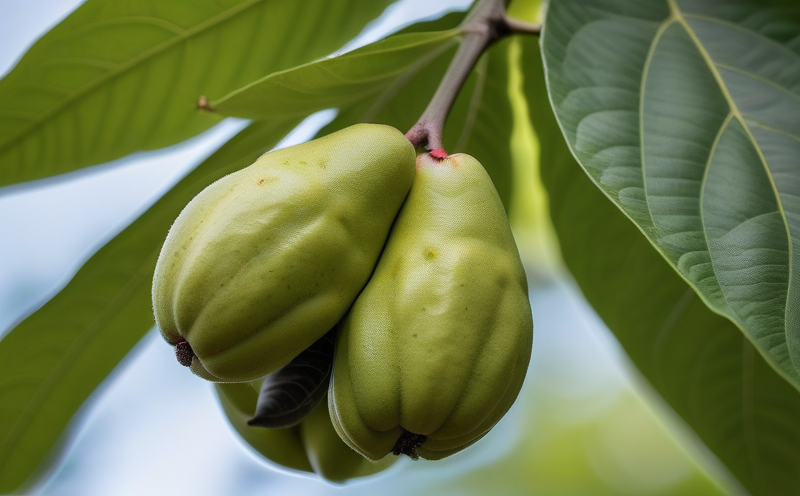
🍎 Pawpaw
Asimina triloba
fruits
deciduous tree
☀️ Sun
full sun (fruiting) / shade (young)
💧 Water
consistently moist; native to river bottoms
🗺️ Zones
5, 9
🧪 Soil pH
5.5, 7.0
🪴 Soil Type
deep rich loam, high organic matter
📏 Spacing
15-20 ft apart (small understory tree)
⏱️ Maturity
4-8 years (from seed); 3-4 years from grafted trees
🍴 Edible Parts
🍽️ Fruit
Key:🤝 Grows well together❌ Keep apart☀️ Sun needs💧 Water🗺️ Hardiness zone
🤝 Companions (6)
Nitrogen fixer; groundcover
Nutrient-rich mulch; young pawpaws need shade , comfrey provides some
Understory fruit bushes in pawpaw guild; tolerate partial shade
Nematode suppression
Pawpaws are not self-fertile , need genetically different individuals for pollination
Attracts beneficials; pawpaw has few pests but pollinator attraction helps
⚠️ Keep Apart (1)
Juglone sensitivity , pawpaws are surprisingly tolerant but perform poorly near walnuts
🛒 Buy Seeds & Plants
Baker Creek Heirloom Seeds
Johnny's Selected Seeds
Botanical Interests
True Leaf Market
Burpee
Territorial Seed Company
Plot Buddies is reader-supported. When you buy through links on our site, we may earn an affiliate commission at no extra cost to you. This does not affect our plant recommendations. We only link to retailers we trust.