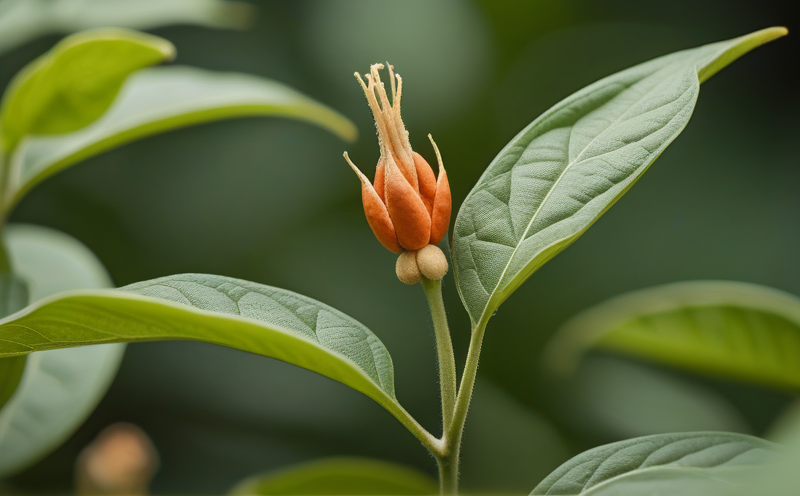
🌿 Ashwagandha
Withania somnifera
herbs
perennial shrub (grown as annual in temperate)
☀️ Sun
Full Sun
💧 Water
Low to Moderate
🗺️ Zones
4-9
🧪 Soil pH
7.0-8.0 (tolerates alkaline; prefers well-drained sandy loam)
📏 Spacing
12-18 in. apart, 24 in. between rows
⏱️ Maturity
150-180 days (from seed); roots harvested when berries turn red, about 5-6 months
Key:🤝 Grows well together❌ Keep apart☀️ Sun needs💧 Water🗺️ Hardiness zone
🤝 Companions (5)
Basil repels whiteflies and mosquitoes that affect ashwagandha; both prefer well-drained soil and warm conditions.
Nasturtium acts as a trap crop for aphids, drawing them away from ashwagandha; both tolerate low-fertility soil. IMPORTANT management caveat: without active management, nasturtiums can become a SOURCE of aphids that migrate to nearby crops. Either remove aphid-infested nasturtium plants promptly, or treat the trap crop itself to eliminate the aphid colony before it spreads. Strategic placement within 4-5 feet of protected crops is key.
Yarrow attracts predatory wasps and hoverflies that control pests on ashwagandha; both thrive in poor, dry soils.
Chamomile accumulates calcium, potassium, and sulfur in soil, improving nutrient availability for ashwagandha; both are drought-tolerant.
Marigolds deter root-knot nematodes and many pests that threaten ashwagandha roots; strong pest-suppressing companion.
⚠️ Keep Apart (2)
Growth inhibition or competition
⚠️ heavy nitrogen-fixers too close
Growth inhibition or competition
🛒 Buy Seeds & Plants
Baker Creek Heirloom Seeds
Johnny's Selected Seeds
Botanical Interests
True Leaf Market
Burpee
Territorial Seed Company
Plot Buddies is reader-supported. When you buy through links on our site, we may earn an affiliate commission at no extra cost to you. This does not affect our plant recommendations. We only link to retailers we trust.