🥬 Swiss Chard
Beta vulgaris subsp. vulgaris (Cicla Group)
vegetables
leafy green (chenopod)
☀️ Sun
Full sun (6, 8 hours); tolerates partial shade, especially in warm climates; afternoon shade extends harvest into summer
💧 Water
Medium, high; 1, 1.5 inches per week consistently; deep taproot makes established chard somewhat drought-tolerant, but regular water produces tender leaves
🗺️ Zones
2, 3, 4, 5, 6, 7, 8, 9, 10
🧪 Soil pH
6.0, 7.0 (slightly acidic to neutral)
🪴 Soil Type
Rich, well-drained loam with high organic matter; chard is a heavy feeder needing consistent fertility , amend with compost before planting
🚿 Drainage
Well-drained but moisture-retentive; chard tolerates damp conditions better than most greens but does not like standing water
📏 Spacing
8, 12 inches apart; rows 18, 24 inches; thin to 12, 18 inches for full-sized plants
⏱️ Maturity
30-60 days (from seed); baby leaves at 25-30 days, full size at 50-60 days
🍴 Edible Parts
🍽️ Leaves
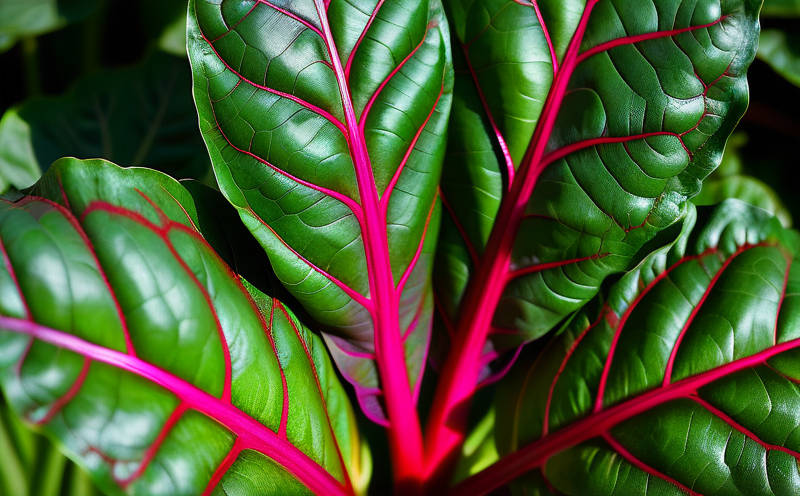
🍽️ Stems/stalks (cooked like celery or asparagus , colorful stems contain betalains)
🍽️ Baby leaves (salad use)
Key:🤝 Grows well together❌ Keep apart☀️ Sun needs💧 Water🗺️ Hardiness zone
🤝 Companions (7)
🤝 Allium family (onions, garlic, leeks)
Repels aphids and flea beetles from chard; complementary root depths , alliums are shallow, chard has deeper taproot
Beans fix nitrogen to feed chard's heavy leaf production; different root zones avoid competition
🤝 Cabbage family (brassicas)
Attracts beneficial insects and pollinators
Lettuce grows in chard's partial shade; both prefer cool weather and consistent moisture
Repels nematodes; deters general pest insects; attracts beneficial predators
Trap crop for aphids; attracts pollinators; low-growing ground cover retains soil moisture IMPORTANT management caveat: without active management, nasturtiums can become a SOURCE of aphids that migrate to nearby crops. Either remove aphid-infested nasturtium plants promptly, or treat the trap crop itself to eliminate the aphid colony before it spreads. Strategic placement within 4-5 feet of protected crops is key.
Quick crop harvested before chard matures; breaks soil surface; different root depths
⚠️ Keep Apart (3)
Corn is a heavy nitrogen feeder competing with chard; corn's tall growth may shade chard excessively causing spindly growth
Allelopathic , inhibits growth of most garden vegetables including chard
Potatoes compete for potassium and magnesium , both are high-demand crops; root disturbance during potato harvest can damage chard
💊 Medicinal Uses
Medicinal Properties
- Exceptionally high in vitamin K (one cup = 700%+ daily value) , essential for blood clotting and bone health
- Excellent source of vitamin A (beta-carotene), vitamin C, magnesium, and potassium
- Contains betalains (same pigments as beets) , powerful antioxidant and anti-inflammatory compounds
- High in lutein and zeaxanthin for eye health
- Good source of fiber and iron; traditionally used as a blood tonic
📝 Growing Notes
Swiss chard is a biennial grown as an annual. Extremely productive , cut-and-come-again harvesting (cut outer leaves, leave inner 2, 3 leaves). Much more heat-tolerant than spinach (can produce through summer in many zones with adequate water). Colorful stem varieties ('Bright Lights', 'Rainbow') add ornamental value. Betalains in colored stems are the same antioxidant pigments found in beets. Will overwinter in Zones 8+ for early spring harvest. Seed 'capsules' contain 2, 3 seeds , thin accordingly.
🛒 Buy Seeds & Plants
Baker Creek Heirloom Seeds
Johnny's Selected Seeds
Botanical Interests
True Leaf Market
Burpee
Territorial Seed Company
Plot Buddies is reader-supported. When you buy through links on our site, we may earn an affiliate commission at no extra cost to you. This does not affect our plant recommendations. We only link to retailers we trust.