🥦 Mashua
Tropaeolum tuberosum
vegetables
perennial climbing vine (grown as annual for tubers)
☀️ Sun
full sun to partial shade
💧 Water
moderate
🗺️ Zones
7, 10
🧪 Soil pH
5.5-7.0
🪴 Soil Type
well-draining, tolerates poor soils
🚿 Drainage
Well-drained
📏 Spacing
12-18 in. apart, 30-36 in. between rows (vine; trellis or ground)
⏱️ Maturity
180-220 days (from planting tubers); harvest after first frost for reduced pungency
🍴 Edible Parts
🍽️ Boiled or roasted tubers, traditional Andean dishes, edible flowers and leaves in salads
Key:🤝 Grows well together❌ Keep apart☀️ Sun needs💧 Water🗺️ Hardiness zone
🤝 Companions (8)
Traditional Andean companion; beans fix nitrogen
Corn provides support for mashua vines
Mashua and oca are traditional Andean companions , mashua's natural pest-repellent compounds protect oca from nematodes and insects while both tuber at similar depths.
Andean root crop companions
Mashua deters pests from ulluco with its natural insecticidal compounds; both are traditional Andean polyculture partners with complementary harvest times.
Broad beans fix nitrogen that mashua's tuber development needs; mashua deters bean pests in return , a mutually beneficial intercropping pair.
🤝 corn (as support)
Corn provides trellising support for mashua's climbing vines; mashua repels corn pests with its pungent compounds , a beneficial New World pairing.
⚠️ Keep Apart (1)
⚠️ plants easily smothered by vigorous vines
Growth inhibition or competition
📝 Growing Notes
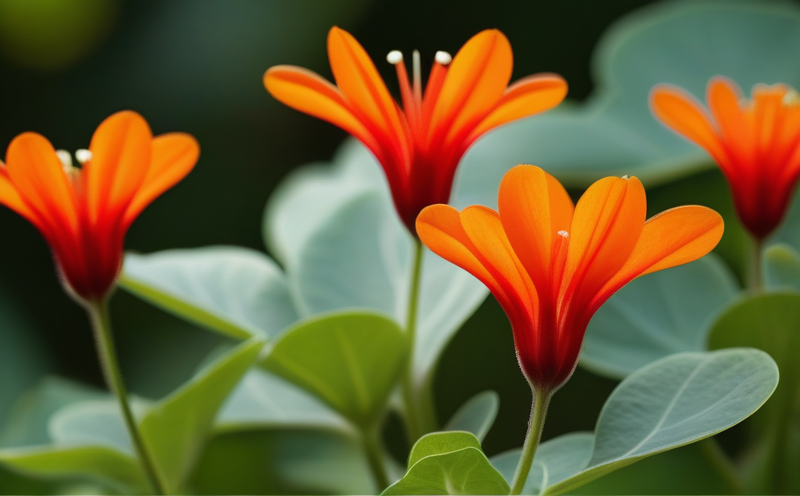
Vigorous nasturtium relative. Tubers have peppery flavor. Traditional Andean polyculture member. Natural pest repellent, contains compounds deterring nematodes and insects. Used as living trellis interplanting with corn.
🛒 Buy Seeds & Plants
Baker Creek Heirloom Seeds
Johnny's Selected Seeds
Botanical Interests
True Leaf Market
Burpee
Territorial Seed Company
Plot Buddies is reader-supported. When you buy through links on our site, we may earn an affiliate commission at no extra cost to you. This does not affect our plant recommendations. We only link to retailers we trust.