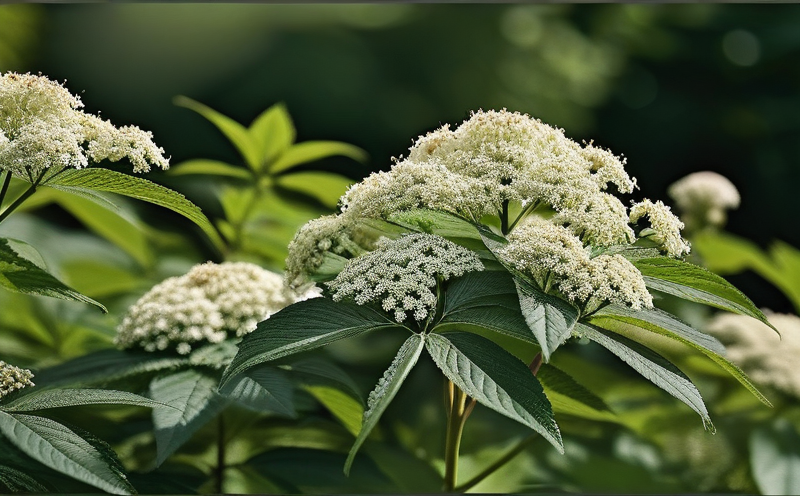
🫐 Elderberry
Sambucus nigra
Shrub
☀️ Sun
Full sun to partial shade
💧 Water
Moderate to high; tolerates moist, even wet conditions
🗺️ Zones
3–9
📏 Spacing
6–8 ft
📐 Height
8–12 ft
🧪 Soil pH
5.5–6.6
⏱️ Maturity
2–3 years to first fruit
Key:🤝 Grows well together❌ Keep apart☀️ Sun needs💧 Water🗺️ Hardiness zone
🤝 Companions (10)
Good companion — Elderberry and Comfrey grow well together.
Good companion — Elderberry and Yarrow grow well together.
Good companion — Elderberry and Garlic grow well together.
Good companion — Elderberry and Chives grow well together.
Good companion — Elderberry and Nasturtium grow well together.
Good companion — Elderberry and Borage grow well together.
Good companion — Elderberry and Oregano grow well together.
🤝 Currant
Good companion — Elderberry and Currant grow well together.
Good companion — Elderberry and Gooseberry grow well together.
🤝 Clover
Good companion — Elderberry and Clover grow well together.
⚠️ Keep Apart (6)
Keep apart — these plants do not grow well together.
Keep apart — these plants do not grow well together.
⚠️ Brassicas
Keep apart — these plants do not grow well together.
Keep apart — these plants do not grow well together.
Keep apart — these plants do not grow well together.
⚠️ Buckthorn
Keep apart — these plants do not grow well together.
📝 Growing Notes
Elderberry is a fast-growing, highly productive shrub that makes an excellent windbreak and wildlife-support plant. Garlic and chives nearby mask elderberry's scent from aphids and spider mites. Raw elderberries must always be cooked — the raw berries and all other plant parts contain cyanogenic glycosides that can cause illness.